Can You Just Put Your HRT Oestrogen Cream on Your Face?
By Dr Caroline Warden, Skin & Aesthetic Clinic, Hale, Cheshire
It’s one of the most common questions we hear from women in their 40s and 50s, often whispered, occasionally joked about, and frequently Googled late at night:
“Can I just put my HRT oestrogen cream on my face?”
After all, if oestrogen loss affects skin quality, collagen, and facial ageing… surely applying it directly makes sense?
The answer is not as simple as it sounds.
As doctors, we need to separate:
What biologically makes sense
What’s safe
What’s licensed
And what actually gives predictable, long-term results
Let’s talk about it properly.
Why This Question Exists at All
Oestrogen plays a central role in skin health.
It:
Stimulates collagen and elastin production
Improves hydration and barrier function
Maintains skin thickness
Reduces inflammation and redness
Supports wound healing
During perimenopause and menopause, declining oestrogen contributes to:
Thinner, crepier skin
Increased dryness and sensitivity
Reduced elasticity
Faster visible ageing
So it’s understandable that women start wondering whether topical oestrogen = topical anti-ageing.
What Is Oestrogen Cream Actually Licensed For?
Here’s where things become important.
Most prescribed oestrogen creams (such as vaginal oestrogen) are licensed for:
Vaginal atrophy
Urogenital symptoms of menopause
Systemic HRT
They are not licensed for facial use.
That doesn’t automatically mean they’re dangerous but it does mean:
They haven’t been tested for long-term facial safety
Dosing is not standardised for facial skin
Absorption levels are unpredictable when used off-label
Medical nuance matters here.
Does Oestrogen Absorb Through Facial Skin?
Yes — oestrogen can be absorbed through the skin.
But:
Facial skin is thinner and more vascular
Absorption varies by area (eyelids vs cheeks vs jawline)
Occlusion, skincare layering, and inflammation all change uptake
This means systemic absorption is possible, even if you intend it to be “local”.
And that’s where caution is required.
The Risks of Putting Oestrogen Cream on Your Face
1. Unpredictable Hormone Absorption
Unlike regulated HRT delivery systems, facial application:
Has no consistent dosing
Can lead to fluctuating systemic oestrogen levels
May worsen hormonal symptoms rather than stabilise them
This is particularly relevant in perimenopause, where hormones are already erratic.
2. Potential Pigmentation Changes
Oestrogen influences melanocytes.
On the face, this may:
Trigger or worsen melasma
Cause uneven pigmentation
Be exacerbated by UV exposure
This is especially risky in women already prone to pigmentation.
3. Skin Sensitivity and Dermatitis
Many vaginal oestrogen preparations are not formulated for facial skin.
They may contain:
Bases that clog pores
Preservatives unsuitable for facial use
Ingredients that disrupt the skin barrier
We often see:
Redness
Breakouts
Perioral dermatitis-type reactions
4. Long-Term Safety Is Unknown
There is limited data on:
Chronic facial oestrogen exposure
Effects on facial hair growth
Impact on vascular conditions like rosacea
Long-term cancer risk with repeated off-label use
Lack of evidence ≠ safety.
Why Some Women Swear It “Worked”
This is where nuance matters
Some women report:
Improved hydration
Softer skin texture
Reduced crepiness
And that’s not imaginary.
Short-term oestrogen exposure can improve skin quality.
But:
Short-term improvement ≠ long-term safety
Anecdotes ≠ controlled outcomes
What works briefly may cause problems later
Medicine has learned this lesson many times before.
Facial Oestrogen vs Medical-Grade Alternatives
Here’s the key question:
Do you need to put hormone cream on your face to get oestrogen-like skin benefits?
In most cases — no.
There are safer, more predictable ways to support oestrogen-depleted skin.
1. Oestrogen-Mimicking Ingredients
Some ingredients interact with oestrogen receptors without being hormones:
Phytoestrogens
Certain peptides
Growth factor signalling molecules
These can:
Improve collagen signalling
Enhance skin density
Reduce inflammation
Without systemic hormonal effects.
2. Skin Barrier and Inflammation Control
Much of menopausal skin ageing is driven by:
Barrier breakdown
Chronic low-grade inflammation
Repairing this alone can dramatically improve skin appearance.
3. Doctor-Led Injectable and Regenerative Treatments
Rather than replacing hormones locally, these approaches:
Stimulate your own collagen
Improve dermal quality
Respect changing skin biology
They work with menopausal skin — not against it.
What About Compounded Facial Oestrogen Creams?
Some private providers offer compounded facial oestrogen preparations.
These:
Are not UK-licensed
Vary widely in formulation and dose
Sit in a regulatory grey area
If considering this route, it should only ever be:
Under medical supervision
With full understanding of off-label use
As part of a wider hormonal and skin strategy
This is not a DIY skincare experiment.
The Bigger Issue: We’re Asking the Wrong Question
The real question isn’t:
“Can I put oestrogen on my face?”
It’s:
“How do I support my skin through hormonal change safely and intelligently?”
For many women, facial ageing during perimenopause isn’t about deficiency, it’s about instability.
Throwing hormones at unstable systems often backfires.

Frequently Asked Questions
Is it safe to put vaginal oestrogen cream on your face?
It is not licensed for facial use, and long-term safety data is lacking. While some women do it, doctors generally advise caution due to unpredictable absorption and skin reactions.
Will oestrogen cream reduce wrinkles?
Short-term improvements in hydration and elasticity may occur, but it is not a proven or regulated anti-ageing treatment for facial wrinkles.
Can facial oestrogen affect the rest of my body?
Yes. Oestrogen can be absorbed systemically through facial skin, potentially affecting hormone levels elsewhere.
Is there a safer alternative for menopausal skin?
Yes. Medical-grade skincare, regenerative treatments, and doctor-led aesthetic plans can support skin quality without hormonal risks.

References & Further Reading
British Menopause Society – Hormones and skin health
National Institute for Health and Care Excellence – Menopause management
DermNet – Oestrogen and skin ageing
The Royal College of Obstetricians and Gynaecologists – Menopause and hormone use
Final Word
Putting oestrogen cream on your face isn’t mad.
But it is medical, not cosmetic and it deserves the same level of thought, caution, and professional guidance as any hormone treatment.
Menopausal skin doesn’t need hacks.
It needs understanding, respect, and intelligent support.
If you feel your face has changed during perimenopause or menopause, the solution is rarely “just add more”.
It’s about choosing the right strategy for the biology you’re in now.

Book in for a Consultation at your local, doctor-led, sister-run skin & aesthetics sanctuary for natural, bespoke results
Dr Caroline Warden is an experienced NHS GP and aesthetic doctor. She has been a medical doctor for over 18 years. She runs the female-led family business with her sister Louise Devereux (creative director & patient co-ordinator)
Their main Skin and Aesthetic Clinic is located in Hale, Cheshire but they also run a pop-up clinic in Disley, Stockport one evening a week.
You will only ever see and have treatments with Dr Caroline Warden.
Whether you're new to aesthetic treatments or ready to refine your routine, her bespoke skin assessments are the best place to start. Dr Caroline Warden will design a tailored plan based on your skin goals, lifestyle, and timeline.
Book your consultation at the clinic in Hale, Cheshire and experience aesthetic medicine.
You’ll be guided through your medical history, goals, and expectations so you can make an informed choice.
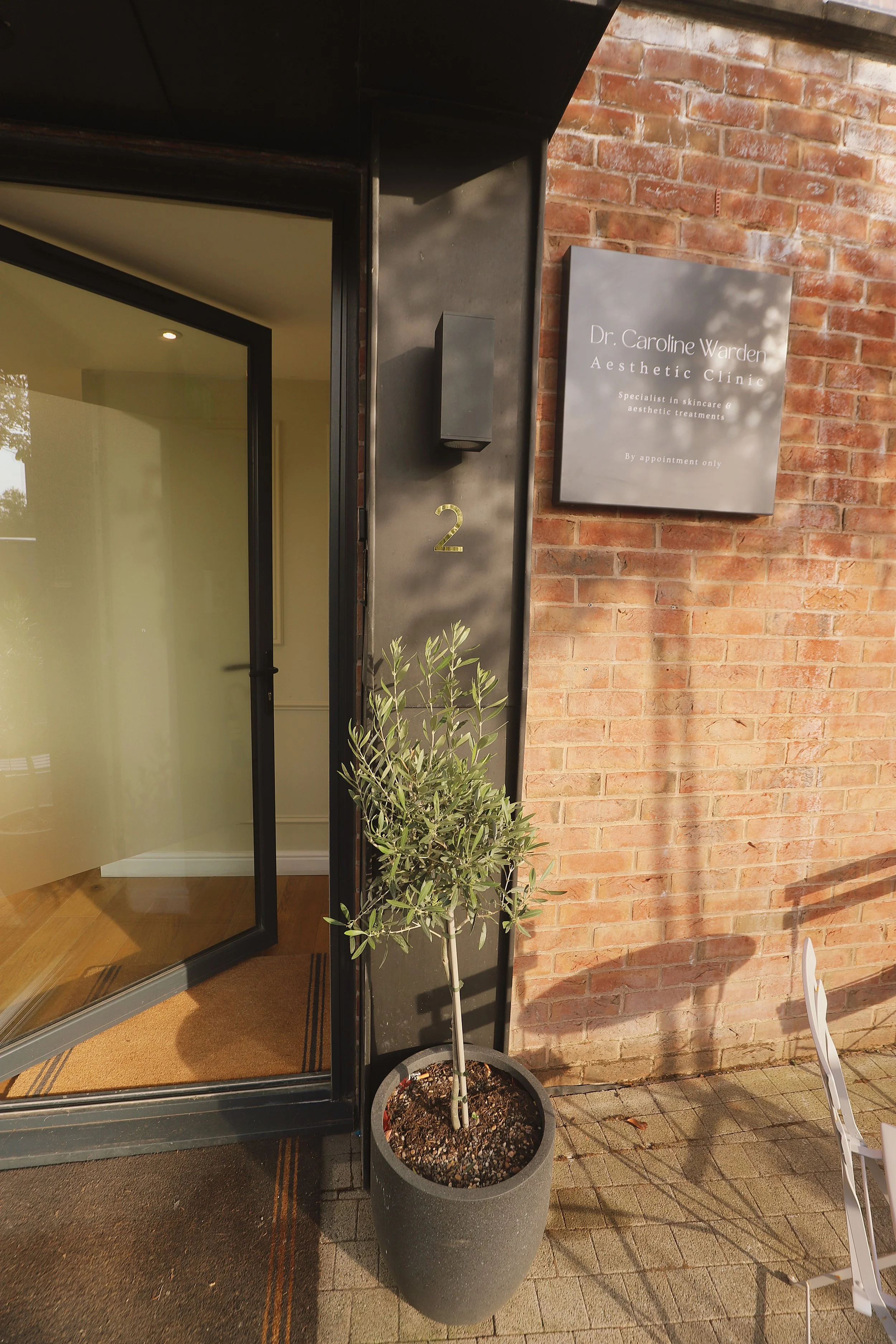
Where our clinics are local to:
Our flagship main Hale clinic is conveniently located for patients travelling from:
Alderley Edge, Altrincham, Bowdon, Bramhall, Hale Barns, Knutsford, Manchester, Mobberley, Sale, Timperley, Urmston, Wilmslow, Handforth, Poynton, Cheadle, Didsbury and Warrington.
Our satellite Disley clinic (Thursday evenings at Scott, Skin & Co) is ideal if you’re based in:
New Mills, High Lane, Marple, Mellor, Whaley Bridge, Strines, Chapel, Hayfield or Stockport.
