Skin Tag Removal in Hale, Altrincham at a doctor-led award winning clinic
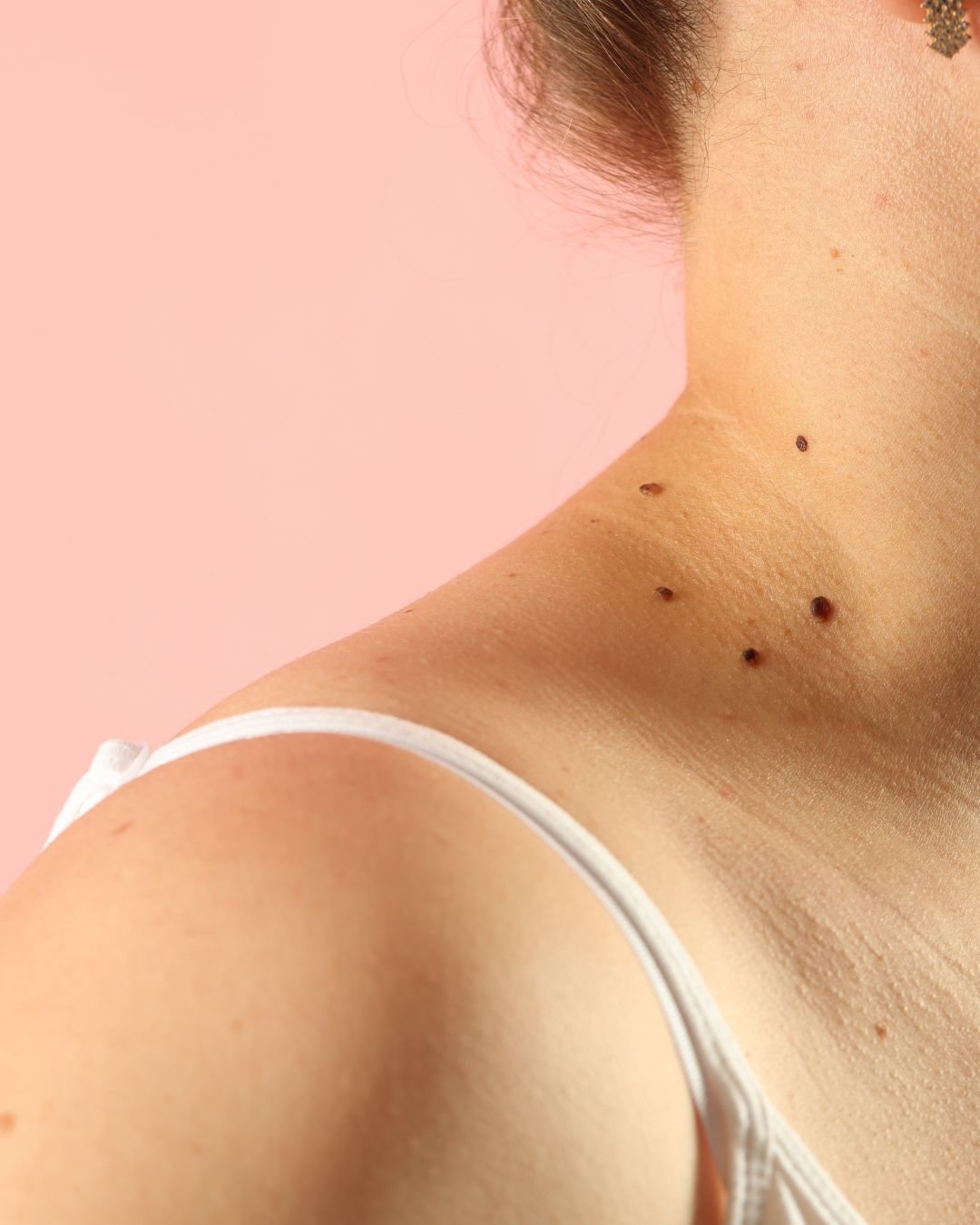
Doctor-led, safe and effective removal at Dr. Caroline Warden Skin & Aesthetics Clinic
At Dr. Caroline Warden Skin & Aesthetics Clinic in Hale, Cheshire, we understand that feeling your best isn’t always about dramatic skin transformations or reversing the signs of ageing. Often, it’s the “small things” that quietly chip away at confidence.
A skin tag might be tiny, but if it catches on clothing, rubs under jewellery, bleeds after shaving, or makes you feel self-conscious in photos, it can quickly become a daily nuisance. That’s why we offer professional skin tag removal as part of our doctor-led services, using a safe and precise method designed to minimise discomfort and support a clean, tidy heal.
Choosing a medically trained, experienced clinician means your skin is assessed properly first, the procedure is performed to high clinical standards, and you leave with clear aftercare guidance and peace of mind.
What Are Skin Tags?
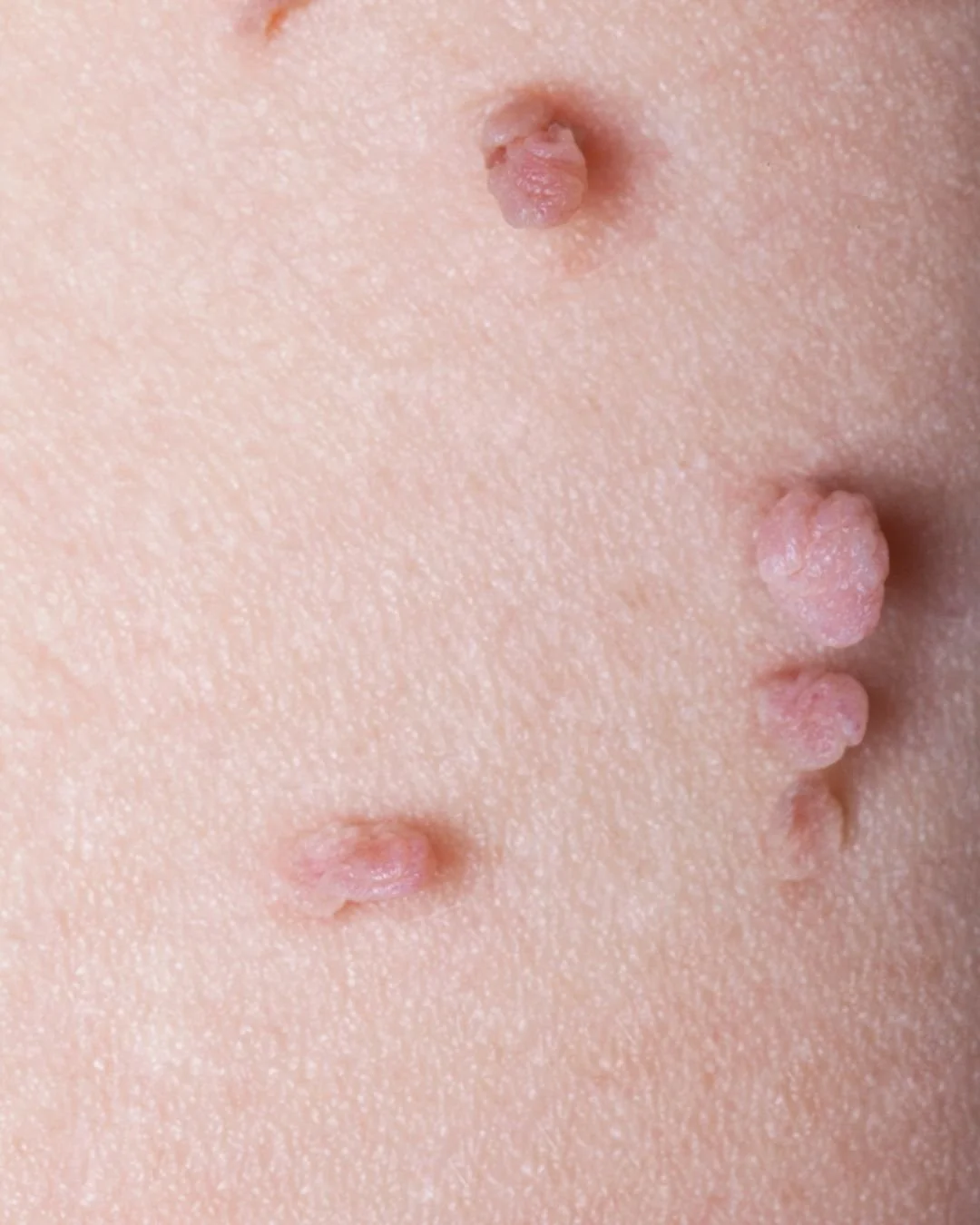
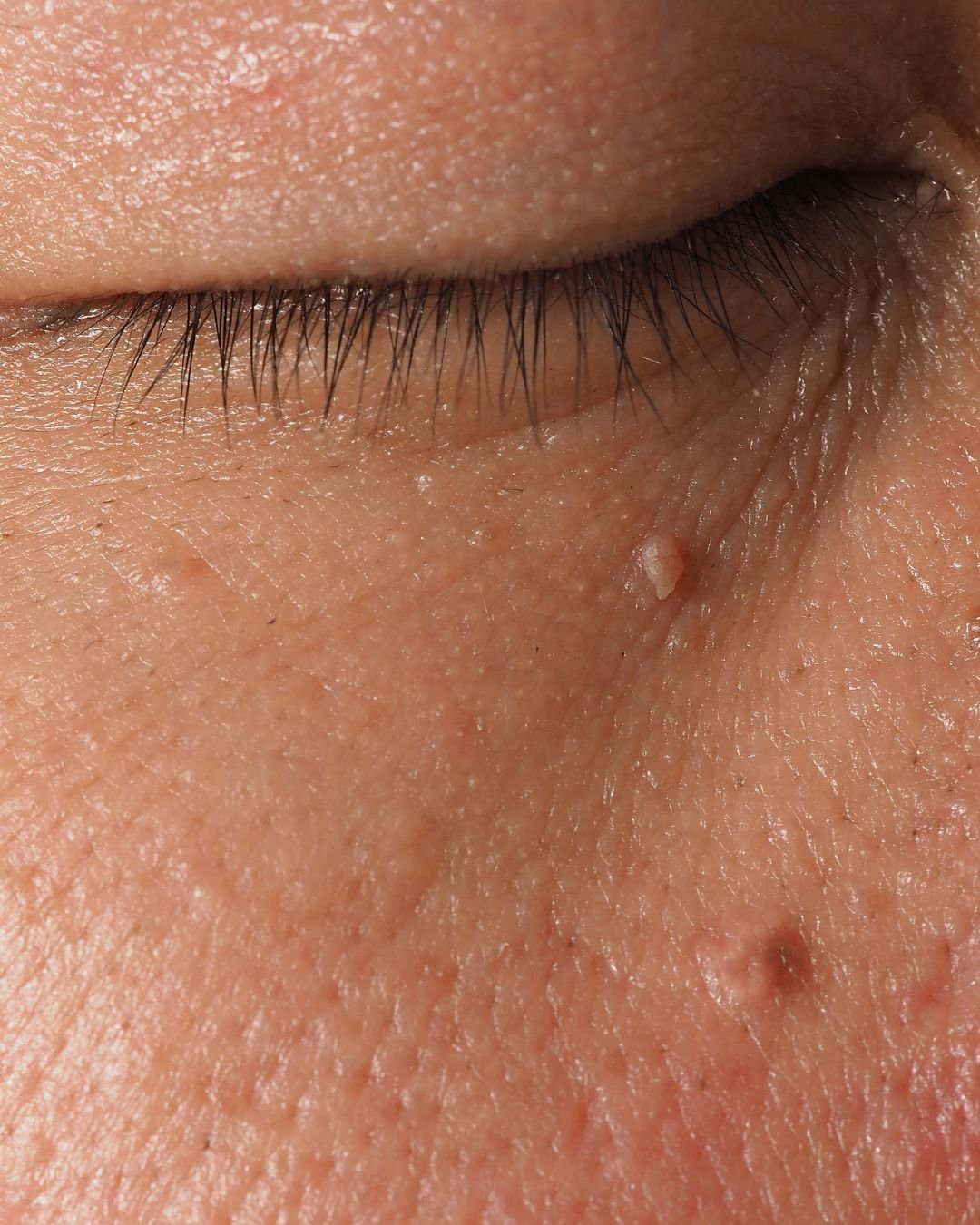
Skin tags (also called acrochordons) are common, benign (non-cancerous) growths of skin. They’re often soft, flesh-coloured or slightly darker, and can appear as a small raised bump or on a thin stalk.
They’re most likely to form in areas where skin naturally folds or rubs together, such as:
Neck
Armpits
Under the breasts / bra line
Groin / inner thighs
Eyelids
Along the waistband
Areas irritated by shaving or friction
While medically harmless, skin tags can be irritating (especially in high-friction areas) and can affect the way you feel about your appearance.
Why do skin tags develop?
Skin tags are extremely common and can occur in anyone. They may be more likely if you have:
Friction from skin folds or clothing
A personal or family tendency toward skin tags
Weight changes
Hormonal changes (including pregnancy)
Insulin resistance / type 2 diabetes (association, not a diagnosis)
Why Professional Skin Tag Removal Is Worth It
Many people attempt at-home solutions such as tying them off, “skin tag remover” liquids, or cutting them. The issue is that DIY methods are unpredictable and can increase the risk of:
Infection
Bleeding
Pain and inflammation
Scarring or pigment changes
Removing the wrong lesion (something that needs medical assessment)
Professional removal isn’t just about aesthetics; it’s about a safe, controlled procedure with an appropriate assessment beforehand.

Why Choose a Doctor-Led Clinic in Hale?
When it comes to skin lesion procedures, experience and clinical judgement matter. As a doctor-led clinic in Hale, Cheshire, our approach is:
1) Proper assessment first
We don’t simply “remove and move on.” We assess the area to confirm the lesion looks consistent with a skin tag and that removal is appropriate.
2) Careful technique + clean healing
We use a precise method designed to protect surrounding skin and support a good cosmetic outcome.
3) Reduced risk of complications
Medical standards for hygiene, skin preparation and aftercare reduce the chance of infection, excessive bleeding, and unnecessary trauma to the skin.
4) A calm, discreet experience
We know some areas can feel sensitive or embarrassing. Our clinic environment is private, professional and supportive.
If you’re searching for skin tag removal in Hale, or near Altrincham, Wilmslow, Sale, Stockport, Macclesfield or South Manchester, we’re well placed for a convenient, doctor-led appointment.
How Skin Tag Removal Works at Our Clinic
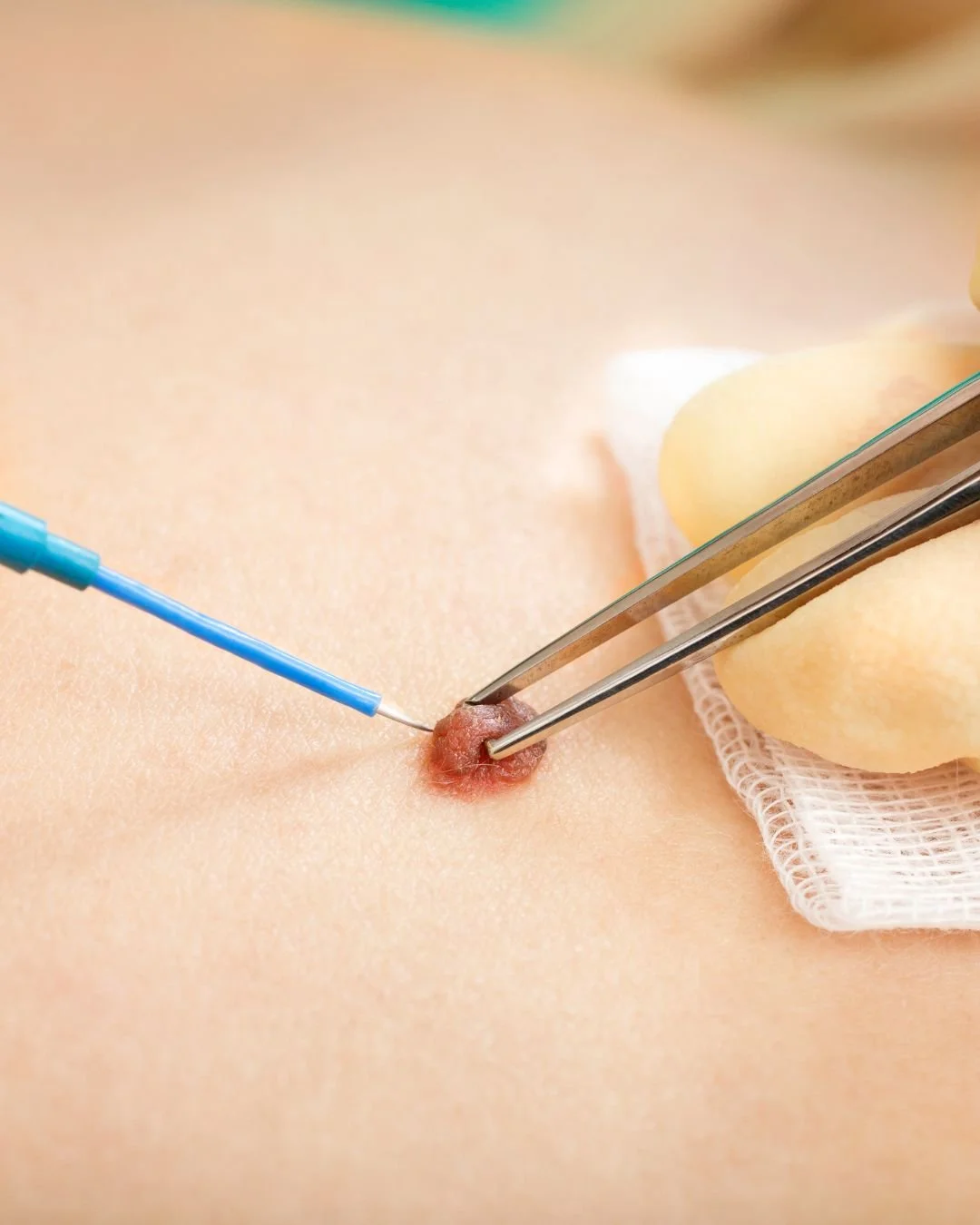
At Dr. Caroline Warden Skin & Aesthetics Clinic, we typically use advanced electrocautery for skin tag removal.

What is electrocautery?
Electrocautery uses a controlled electrical current to remove the skin tag precisely. It’s a popular approach because it can be:
Quick
Targeted
Effective in a single session
Supportive of a neat heal (when suitable for the lesion and area)
What to expect at your appointment
1) Consultation and assessment
We’ll look at the size, number and location of the skin tag(s), check your skin history, and ensure the lesions look suitable for removal.
2) Comfort measures
Many clients describe the sensation as a brief warmth or sting. Where appropriate, we can discuss options to keep you comfortable.
3) Removal
The procedure itself is usually quick. The precision of electrocautery helps to reduce unnecessary trauma to surrounding skin.
4) Aftercare advice
You’ll leave with clear instructions on what to do at home to help the skin heal calmly.
Healing and downtime
After treatment, it’s common to have:
Mild redness
A small scab or “dry spot” at the removal site
These generally heal over the next several days. Most clients can return to normal activities immediately. If the area is on the face, many people are comfortable wearing make-up the next day (depending on the exact site and aftercare advice).
The Importance of Medical Expertise
Even though skin tag removal is a minor procedure, it’s still a skin procedure with potential risks if performed incorrectly. A doctor-led service helps ensure:
Correct lesion selection (skin tags vs other lesions)
Appropriate technique for the location (e.g., eyelids vs groin)
Safe handling of bleeding risk and aftercare
Guidance if you’re on certain medications or have medical conditions that affect healing
When a lesion needs medical review (and may not be a skin tag)
It’s important to seek assessment rather than self-treat if a lesion is:
Rapidly changing in size/colour
Irregular in shape or pigment
Bleeding or ulcerating without obvious friction
Painful (beyond catching/rubbing discomfort)
Not clearly a soft, typical skin tag
If there’s any doubt, we’ll guide you on the safest next step.
Aftercare Tips (Simple but Important)
We’ll tailor aftercare to your skin and the area treated, but general guidance often includes:
Keep the area clean and dry for the recommended period
Avoid picking or scratching any scab
Avoid friction (tight clothing, shaving over the area) while healing
Use SPF on exposed areas once healed to reduce the risk of pigmentation
Contact us if you develop increasing redness, swelling, warmth, pain, or discharge
Skin Tag Removal Near You: Hale, Cheshire and Surrounding Areas
We regularly see clients for skin tag removal from:
Hale
Altrincham
Bowdon
Timperley
Wilmslow
Sale
Stockport
Knutsford
South Manchester
If you’re looking for safe, professional skin tag removal in Cheshire, we offer an approachable, doctor-led experience with a focus on skin health and a refined cosmetic result.
FAQs: Skin Tag Removal (Hale, Cheshire)
1) Is skin tag removal painful?
Most people find it very tolerable. You may feel a brief warm or sting sensation during electrocautery. We’ll talk you through what to expect and keep you comfortable.
2) How long does it take?
Many treatments take seconds to minutes, depending on the number and location of skin tags. Your appointment also includes assessment and aftercare guidance.
3) Will it leave a scar?
Any skin procedure can leave a mark, but careful technique and good aftercare minimise risk. Most sites heal very neatly, especially when the lesion is truly a skin tag and the area is cared for properly afterwards.
4) Can skin tags grow back?
A removed skin tag typically doesn’t grow back, but you can develop new skin tags over time in friction areas.
5) Can you remove skin tags on the eyelids?
Sometimes, yes—depending on size and position. Eyelid skin is delicate, so assessment is essential to confirm suitability and the safest technique.
6) Is it safe to remove skin tags at home?
We don’t recommend it. Home methods can lead to infection, bleeding, scarring, and accidentally removing something that should be medically assessed.
7) How should I prepare for my appointment?
Avoid fake tan on the area, arrive with clean skin, and let us know about any medications (especially blood thinners) or conditions that affect healing. If the area is one you usually shave, avoid shaving right before your appointment to reduce irritation.
8) What happens after the treatment?
You may have mild redness and a small scab. Most people return to normal activities straight away. We’ll provide tailored aftercare instructions.
9) Are skin tags ever a sign of something serious?
Skin tags themselves are typically benign. However, any lesion that looks unusual or is changing should be assessed. If we feel a lesion is not clearly a skin tag, we’ll advise the appropriate next step.
10) Do you offer skin tag removal for multiple areas?
Yes. We can assess and treat a single skin tag or multiple tags, and we’ll advise on the most appropriate approach for different body sites.
Ready to Feel More Comfortable in Your Skin?

Skin tag removal is a small change that can make a surprisingly big difference—especially when the tag is in an awkward area, catches repeatedly, or affects your confidence.
If you’re considering skin tag removal in Hale, Cheshire, we’re here to help with doctor-led care, a calm, discreet environment, and a technique designed for safe, effective results.
Book your consultation with Dr. Caroline Warden Skin & Aesthetics Clinic and let’s get you back to feeling comfortable and confident in your own skin.
LEARN MORE ABOUT ELECTROCAUTERY

Dr Caroline Warden is an experienced NHS GP and aesthetic doctor. She has been a medical doctor for over 18 years. She runs the female-led family business with her sister Louise Devereux (creative director & patient co-ordinator)
You will only ever see and have treatments with Dr Caroline Warden.
Whether you're new to aesthetic treatments or ready to refine your routine, her bespoke skin assessments are the best place to start. Dr Caroline Warden will design a tailored plan based on your skin goals, lifestyle, and timeline.
Book your consultation at the clinic in Hale, Cheshire and experience aesthetic medicine.
You’ll be guided through your medical history, goals, and expectations so you can make an informed choice.
Where our clinic is local to:
Our Hale clinic is conveniently located for patients travelling from:
Alderley Edge, Altrincham, Bowdon, Bramhall, Hale Barns, Knutsford, Manchester, Mobberley, Sale, Timperley, Urmston, Wilmslow, Handforth, Poynton, Cheadle, Didsbury and Warrington.
