Does Menopause Make You Look Older?
Why So Many Women Feel They Have Aged Overnight
"I don't recognise myself anymore."
As both an NHS GP and Aesthetic Doctor, this is one of the most common things I hear from women sitting in my consultation room in Hale.
Interestingly, they are rarely talking about a specific wrinkle.
Instead, they describe something much harder to put into words.
Their face looks tired. Their skin feels thinner. Their jawline seems softer. Their makeup no longer sits properly.
Many tell me they feel exactly the same person inside, yet when they look in the mirror they feel older than they did just a few years ago.
One patient recently summed it up perfectly.
"I feel like I've aged more in the last two years than I did in the previous ten."
If this sounds familiar, there is a good chance you are not imagining it.
In fact, there is a genuine biological reason why so many women experience these changes during perimenopause and menopause.
The truth is that menopause can accelerate several of the processes involved in facial ageing, particularly those relating to collagen, hydration, elasticity and skin quality.
The good news is that understanding what is happening allows you to make informed decisions about your skin, your health and the treatments that may help.
The Menopause Collagen Cliff
In my opinion, one of the most important concepts women should understand is something often referred to as the collagen cliff.
Collagen is the protein that provides structure, support and firmness to the skin. It acts almost like the scaffolding beneath the surface, helping maintain youthful contours and resilience.
During menopause, collagen levels decline rapidly.
Research suggests women may lose up to 30 percent of their collagen during the first five years after menopause. After this initial decline, collagen continues to reduce by approximately two percent every year.
When I explain this to patients, many are relieved.
Not because they are losing collagen, obviously, but because it finally explains why their face appears to have changed so dramatically over a relatively short period of time.
The face can appear tired, even when someone is sleeping well and looking after themselves.
For many women, this collagen loss is the single biggest reason they feel they have suddenly aged.
Why Does My Face Look Different During Menopause?
One of the biggest myths surrounding ageing is that it is simply about wrinkles.
In reality, facial ageing is far more complex.
Several different structures change simultaneously.
The skin becomes thinner and less elastic.
Collagen production slows.
Facial fat pads gradually shift downwards.
Bone support continues to reduce with age.
Together, these changes alter the overall architecture of the face.
Patients often tell me they feel as though their face has "fallen".
Whilst this description may sound dramatic, it is often surprisingly accurate.
The cheeks may appear flatter.
The lower face can feel heavier.
The jawline becomes less defined.
Jowls become more noticeable.
Lines around the mouth deepen.
What many women are seeing is not simply ageing skin.
They are seeing structural change.
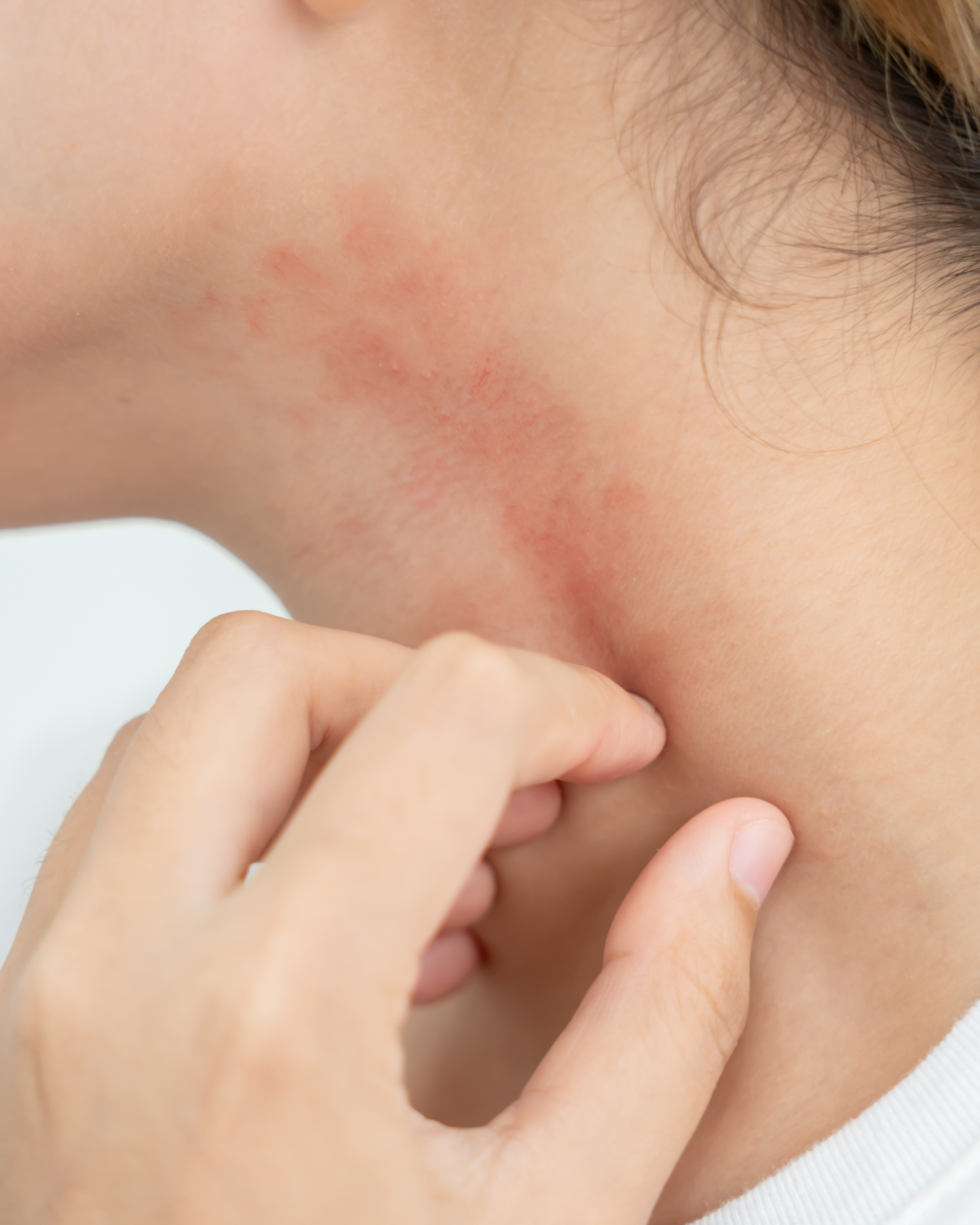
Why Has My Skin Suddenly Become So Dry?
Dry skin is one of the earliest and most common menopause related skin complaints.
Many women who have enjoyed relatively uncomplicated skin for decades suddenly find themselves struggling with dryness, tightness and irritation.
They buy richer moisturisers.
They switch cleansers.
They spend hundreds of pounds trying different products.
Yet nothing seems to solve the problem.
The reason is often hormonal.
Oestrogen plays a crucial role in maintaining skin hydration and supporting the skin barrier.
As levels decline, the skin becomes less efficient at retaining moisture.
This can leave skin feeling tight, uncomfortable and noticeably less radiant.
Many women describe their skin as feeling completely different to how it felt in their thirties and early forties.
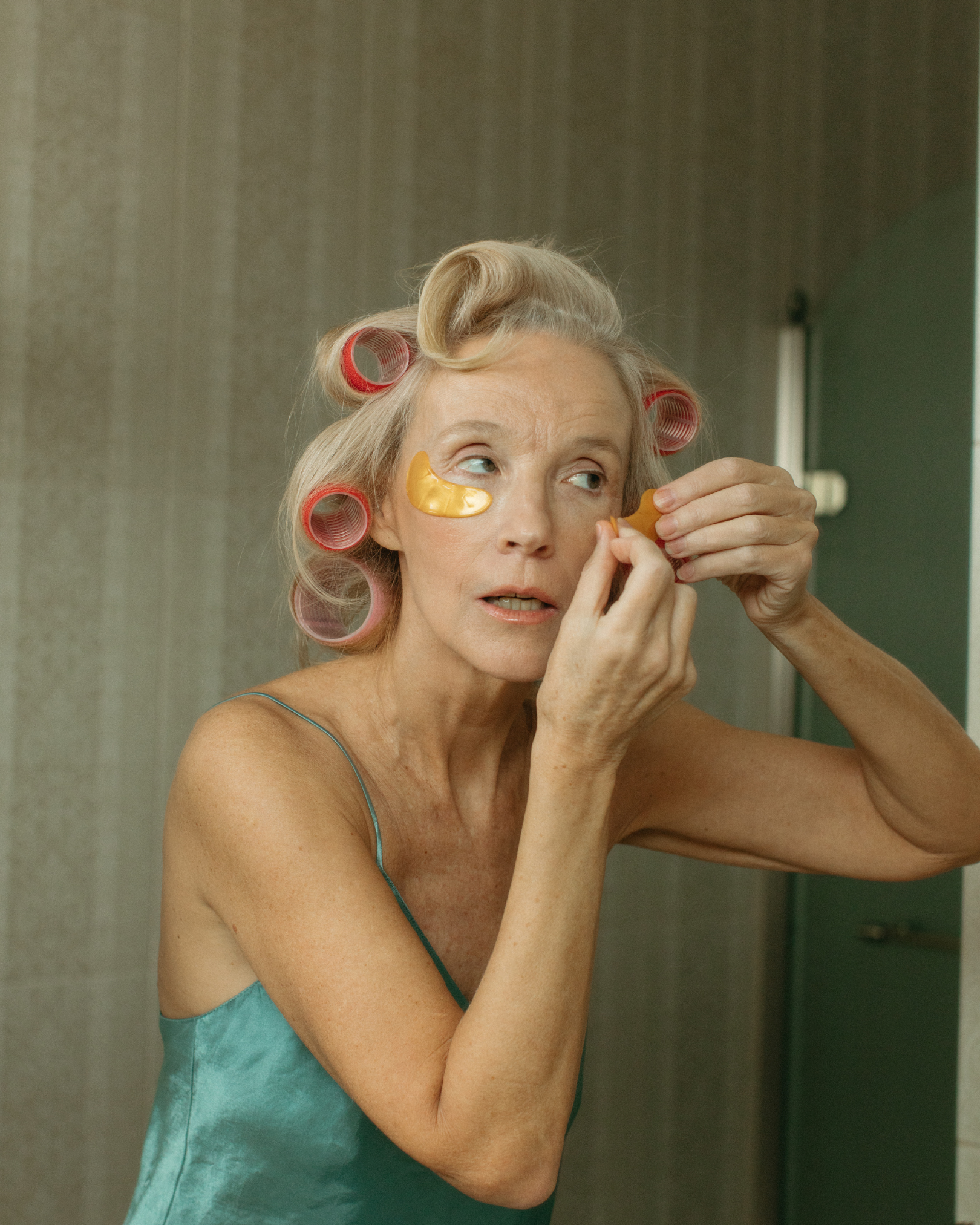
Why Has My Skin Become More Sensitive?
Another common pattern I see in clinic is the woman who suddenly becomes intolerant of products she has used happily for years.
A cleanser suddenly stings.
A vitamin C serum causes redness.
Products that previously felt luxurious now feel irritating.
This can be incredibly frustrating.
Again, declining hormone levels appear to play a significant role.
As the skin barrier weakens, inflammation can increase and sensitivity becomes more common.
Many women assume they have developed an allergy.
Whilst this occasionally happens, hormonal skin changes are often the real explanation.
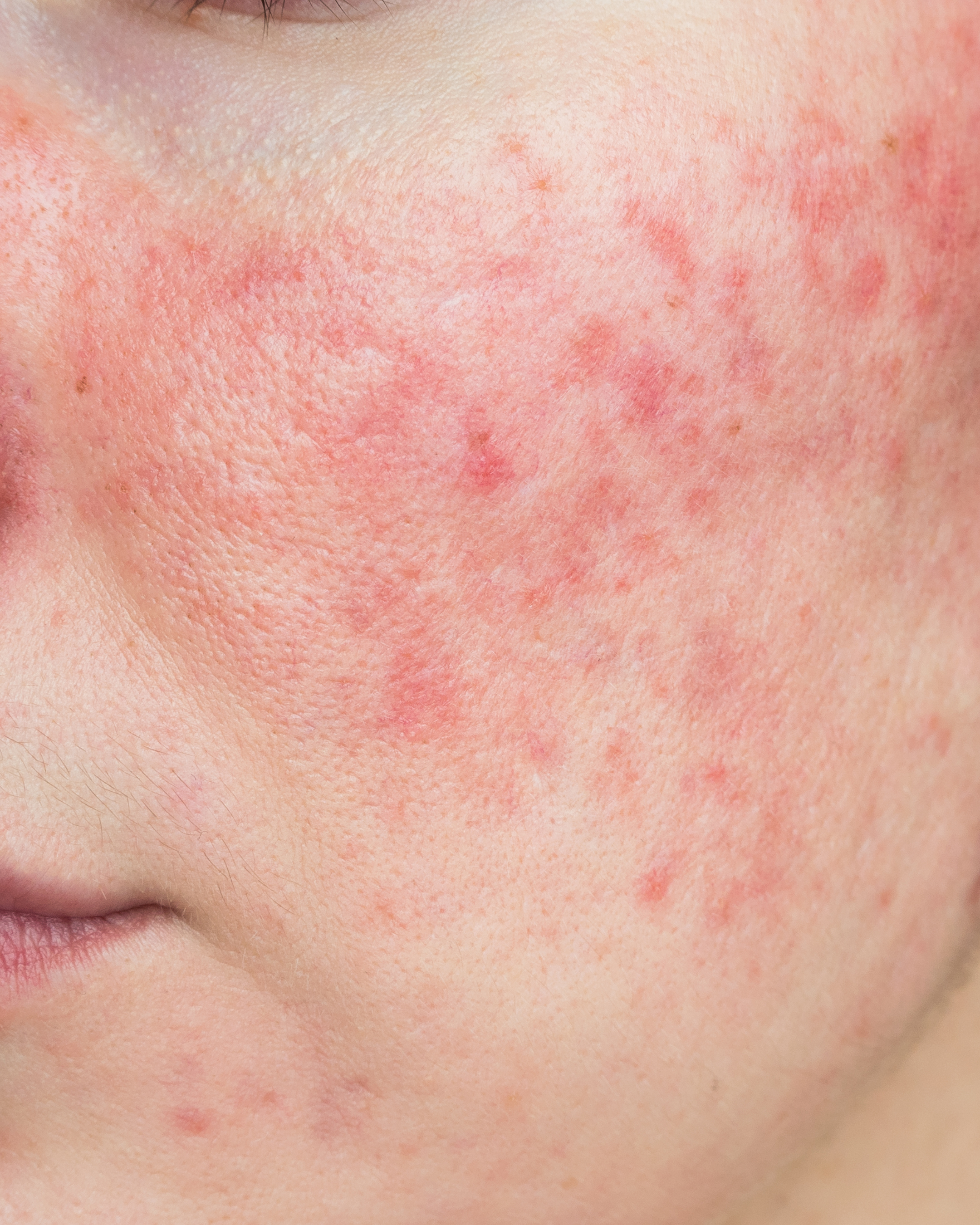
Menopause, Redness and Rosacea
One area that receives surprisingly little attention is the relationship between menopause and facial redness.
Many women notice increased flushing during perimenopause.
Others develop rosacea for the first time.
Patients who already have rosacea frequently report worsening symptoms during this stage of life.
Hormonal fluctuations influence blood vessel behaviour, inflammation and skin sensitivity.
The result can be persistent redness across the cheeks, nose and chin.
As a doctor, I often find redness affects confidence more than wrinkles because it can be difficult to conceal and can make women feel self conscious every day.
Fortunately, there are often effective treatment options available, both medically and aesthetically.
Can HRT Improve Your Skin?
This is one of the most common questions I am asked, both as a GP and as an aesthetic doctor.
The answer is often yes, although perhaps not in the way many women expect.
HRT is not a cosmetic treatment and should never be prescribed solely to improve appearance. However, because oestrogen plays such an important role in skin health, many women notice positive changes in their skin after starting treatment.
Research suggests HRT may help support skin hydration, elasticity and thickness. Many women report that their skin feels less dry, less reactive and more comfortable once their hormones have stabilised.
What I find particularly interesting is that patients often describe feeling more like themselves again. Their skin may appear healthier, but they also frequently report improved sleep, fewer hot flushes, better energy levels and greater confidence.
As a GP, I always encourage women to discuss the risks and benefits of HRT with an appropriately qualified healthcare professional. For the right patient, it can be genuinely life changing. However, it is important to view HRT as part of a wider approach to health and wellbeing rather than simply a treatment for ageing skin.

The Biggest Mistake I See Women Make During Menopause
In my opinion, one of the biggest mistakes women make is chasing the latest skincare trend whilst ignoring the fundamentals.
Social media is full of miracle creams, celebrity endorsed supplements and expensive treatments promising dramatic results.
The reality is that most healthy ageing strategies are remarkably unglamorous.
If I could choose only a handful of interventions for menopausal skin, they would be daily SPF, prescription tretinoin where appropriate, adequate protein intake, regular resistance exercise and good overall health.
None of these are particularly exciting.
Yet they have far stronger evidence behind them than many of the products heavily promoted online.
As both a GP and aesthetic doctor, I believe skin health should always come before aesthetic treatments.
When the foundations are right, everything else tends to work better.

What Treatments Can Help Menopausal Skin?
There is no single treatment that works for everyone.
Every woman experiences menopause differently and every face ages differently.
This is why I believe personalised treatment plans are so important.
For some women, prescription skincare may be enough.
For others, collagen stimulating treatments can play an important role in supporting skin quality and facial ageing.
At my clinic in Hale, some of the most popular options include microneedling with exosomes, polynucleotides and Sculptra.
What these treatments have in common is that they focus on improving skin quality and supporting the body's own regenerative processes rather than simply adding volume.
This reflects a broader shift within aesthetic medicine away from chasing quick fixes and towards supporting long term skin health.
The goal is not to make someone look different.
The goal is to help them look fresher, healthier and more like themselves.
Why I Believe Menopause Skin Deserves More Attention
One thing that has always surprised me is how little preparation many women receive for the changes menopause can bring to their skin.
We talk more openly about hot flushes, mood changes and sleep disturbance, which is excellent.
Yet many women are completely unprepared for the changes they see in the mirror.
As doctors, we should not dismiss these concerns as vanity.
For many women, these changes affect confidence, self esteem and how they feel about themselves on a daily basis.
Wanting to understand why your face has changed does not make you superficial.
It makes you human.
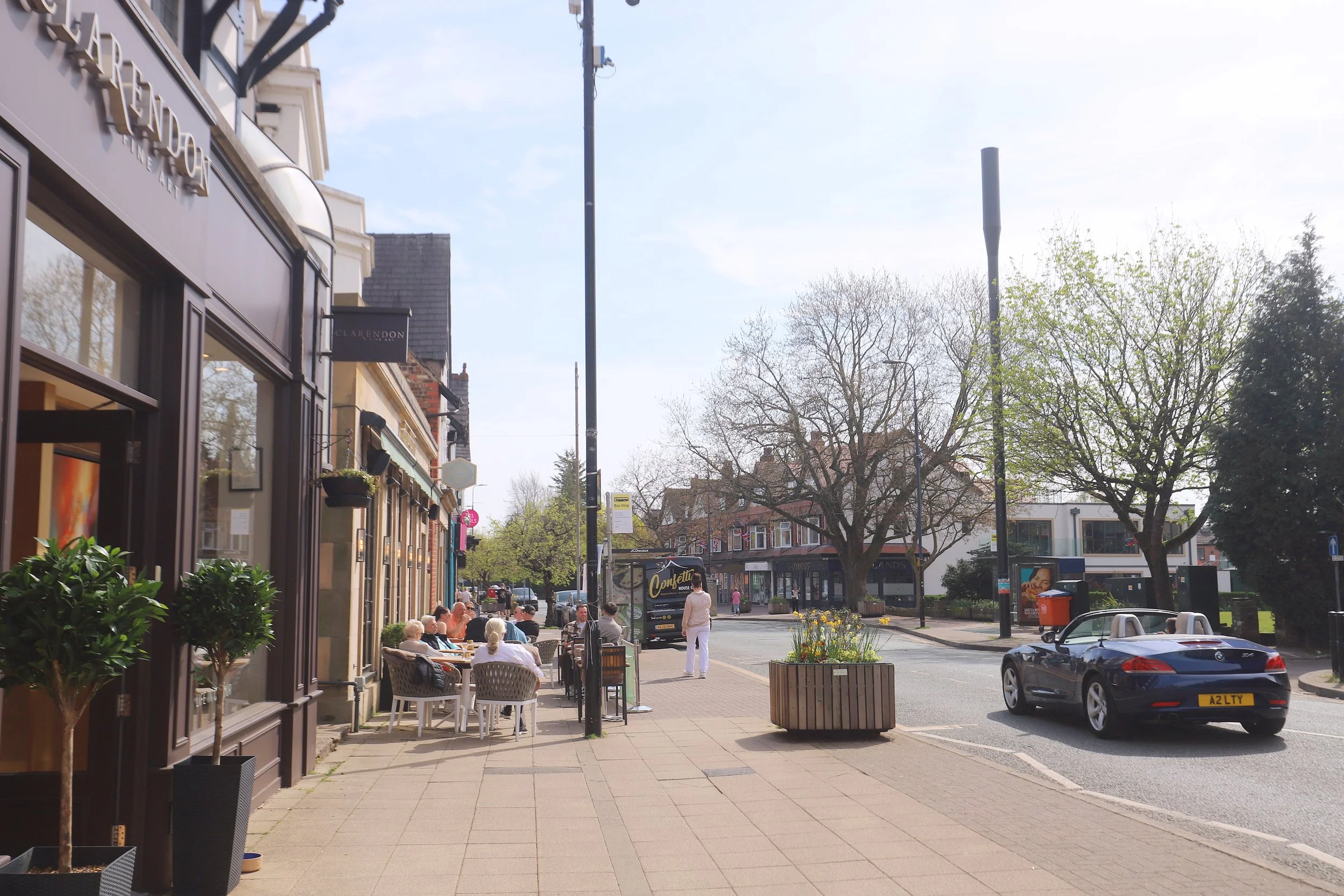
Why Women From Hale, Altrincham and Cheshire Often Attend Clinic During Menopause
Over the past few years, I have noticed a significant increase in the number of women attending my clinic in Hale specifically because of changes they have noticed during perimenopause and menopause.
Interestingly, most are not initially looking for aesthetic treatments.
They are looking for answers.
Many arrive feeling confused because the changes seem to have happened so quickly. They tell me they have always looked after themselves. They exercise, eat well and invest in good skincare, yet suddenly their skin feels different.
Some are concerned about increased facial redness and rosacea.
Others are struggling with dryness and sensitivity.
Many are worried about loss of facial firmness, a softer jawline or a tired appearance that no amount of sleep seems to improve.
One of the most reassuring parts of the consultation is often helping women understand that these changes are not a personal failing and are not simply the result of getting older.
They are frequently driven by genuine hormonal and biological changes occurring beneath the skin.
As both a GP and Aesthetic Doctor, I believe this understanding is incredibly important.
The conversation should never start with treatments.
It should start with education.
Once women understand why their skin has changed, they are in a much better position to decide what, if anything, they would like to do about it.
Some choose to focus purely on skincare and lifestyle measures.
Others decide to explore HRT with their own GP or menopause specialist.
Some choose collagen stimulating treatments as part of a longer term healthy ageing strategy.
There is no right or wrong answer.
The most appropriate approach is always the one that aligns with the individual patient's goals, concerns and stage of life.
Our clinic in Hale regularly welcomes women from Altrincham, Bowdon, Wilmslow, Knutsford, Bramhall, Cheadle, Stockport and across Cheshire who are seeking evidence based advice on menopause related skin changes.
For many, simply understanding what is happening to their skin provides an enormous sense of relief.
The reality is that menopause affects every woman differently.
However, one thing I have learnt after nearly twenty years working as a doctor is that women often cope far better with change when they understand the reason behind it.
That is why education remains one of the most powerful tools we have.
Before considering any treatment, my priority is always to help patients understand what is happening to their skin, what changes are normal, what may be contributing to their concerns and what realistic options are available.
Only then can we create a personalised plan that supports both skin health and confidence throughout the menopausal transition.
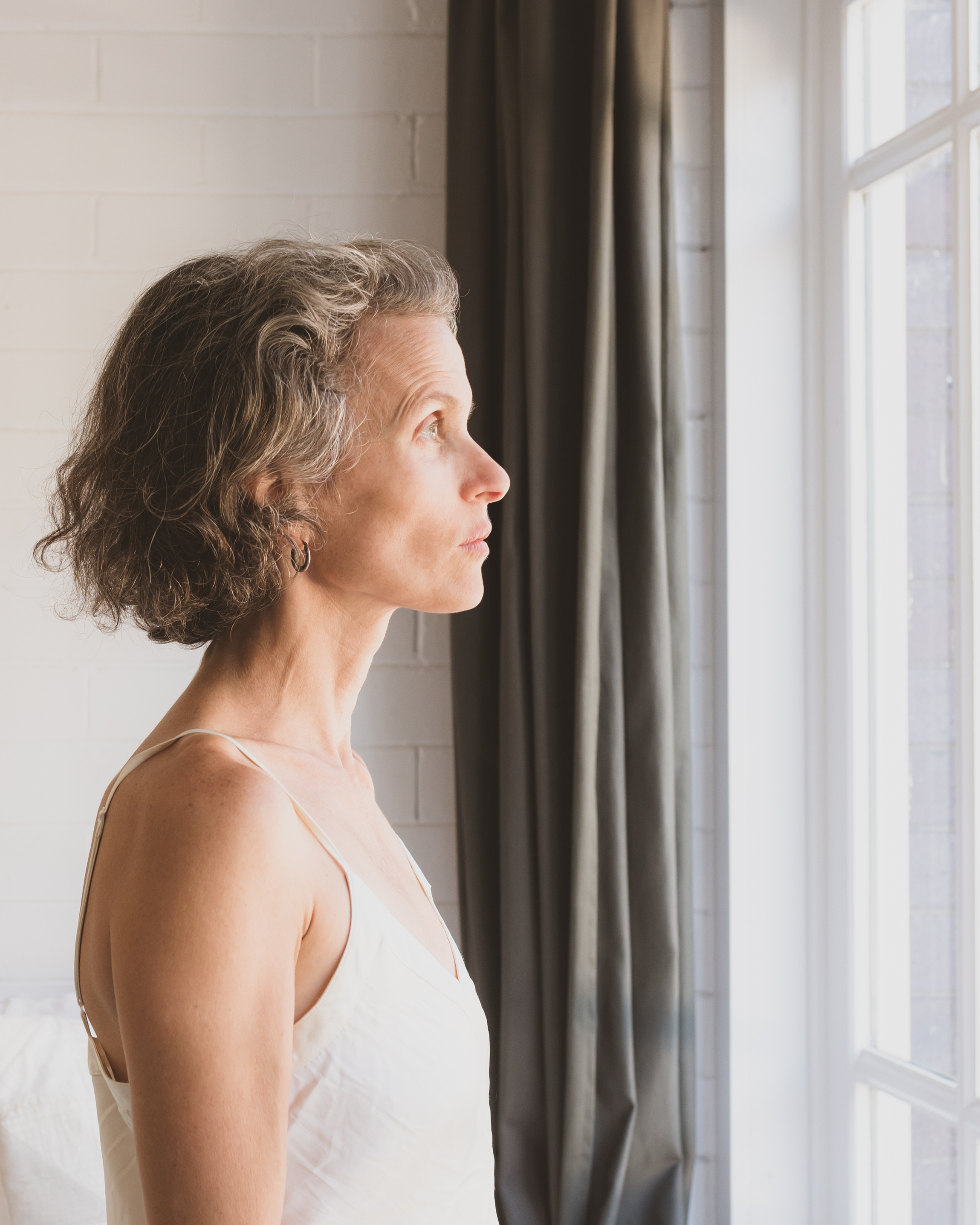
Real Patient Case Study
A 56 year old patient from Altrincham attended my clinic feeling frustrated and upset by how quickly she felt she had aged.
She exercised regularly, maintained a healthy weight and had always looked after her skin. Despite this, she felt that her face had changed dramatically over the previous three years.
Her main concerns were loss of facial firmness, increased dryness, worsening redness and a softer jawline. She repeatedly told me she felt as though she had "aged overnight".
Following a detailed consultation, we discussed the role menopause was likely playing in collagen loss, skin hydration and facial ageing. We also reviewed her skincare routine, lifestyle factors and overall health.
A personalised plan was created focusing on skin health first. This included daily SPF, prescription tretinoin, barrier repair skincare and a longer term collagen support strategy.
Several months later she reported healthier skin, improved confidence and, perhaps most importantly, a much better understanding of why these changes had occurred.
Understanding the cause had removed much of the anxiety she initially felt.

My Professional Opinion
If there is one message I would like women to take away from this article, it is that menopause changes the skin, but it does not mean you have to simply accept feeling unhappy with your appearance.
Many of the changes women notice are driven by genuine biological processes, particularly collagen loss and declining oestrogen levels.
Understanding these changes allows you to make informed decisions about skincare, lifestyle, hormone health and aesthetic treatments.
Most importantly, it helps you realise that what you are experiencing is common, understandable and shared by millions of other women.
You are not imagining it.
You are not being vain.
And you are certainly not alone.

Frequently Asked Questions
Does menopause actually make you look older?
Yes. Menopause accelerates several processes associated with ageing, particularly collagen loss, skin thinning and reduced elasticity.
Why do women feel they age overnight during menopause?
Many women experience a relatively rapid decline in collagen during the years surrounding menopause, which can make changes appear to happen over a short period of time.
Can menopause change your face shape?
Yes. Changes in skin quality, collagen levels, fat distribution and facial support structures can alter facial contours and definition.
Does menopause cause jowls?
Loss of collagen and reduced skin elasticity can contribute to increased sagging around the jawline and lower face.
Why has my jawline suddenly become softer?
Reduced collagen production and age related structural changes can make the jawline appear less defined.
Why is my skin suddenly dry during menopause?
Declining oestrogen levels reduce the skin's ability to retain moisture and maintain a healthy barrier function.
Can menopause make rosacea worse?
Yes. Hormonal fluctuations can worsen redness, flushing and rosacea symptoms in some women.
Does HRT improve skin quality?
Research suggests HRT may improve hydration, elasticity and skin thickness in some women, although it should not be prescribed solely for cosmetic reasons.
Is tretinoin good for menopausal skin?
Yes. Tretinoin remains one of the most evidence based topical treatments available for supporting collagen production and improving skin quality.
Are collagen supplements worth taking?
Evidence remains mixed, although some studies suggest hydrolysed collagen supplements may provide modest improvements in skin hydration and elasticity.
Is Sculptra suitable for menopausal skin?
For suitable patients, Sculptra can help stimulate collagen production and support facial structure over time.
What is the best treatment for menopausal skin?
The best approach usually combines good skincare, daily SPF, healthy lifestyle habits and appropriate treatments tailored to the individual patient.
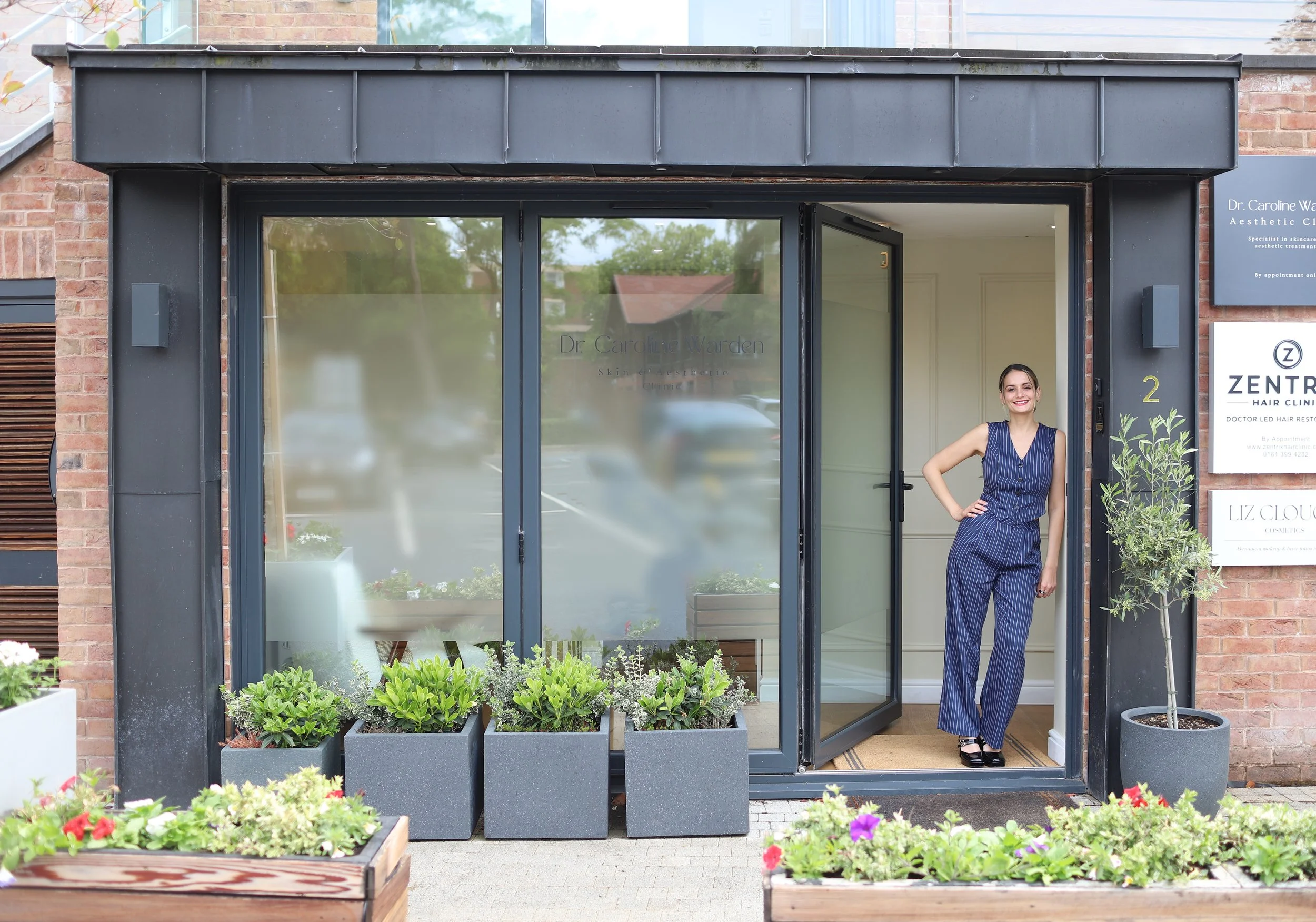
Book a Consultation
If you feel your skin has changed during perimenopause or menopause and would like personalised advice, I would be delighted to help.
At Dr Caroline Warden Skin & Aesthetic Clinic in Hale, Cheshire, I combine nearly 20 years of medical experience as an NHS GP with advanced aesthetic training to help women understand the changes occurring in their skin and develop a personalised plan for healthy ageing.
Whether your concerns are dryness, redness, rosacea, collagen loss, skin laxity or simply feeling that you have aged overnight, my approach focuses on skin health first, natural looking results and evidence based treatments.
Our female led, family run clinic welcomes patients from Hale, Altrincham, Bowdon, Wilmslow, Knutsford, Stockport, Bramhall, Cheadle and across Cheshire.
Book a consultation today and start your journey towards healthier, more confident skin.
Dr Caroline Warden Skin & Aesthetic Clinic
Doctor led. Female led. Family run.
Hale, Altrincham, Cheshire.

References and Further Reading
Evidence Based References
British Menopause Society
https://thebms.org.uk
Women's Health Concern
https://www.womens-health-concern.org
NICE Menopause Guideline NG23
https://www.nice.org.uk/guidance/ng23
Thornton MJ. Estrogens and Ageing Skin
https://www.ncbi.nlm.nih.gov/pmc/articles/PMC2685269/
Effects of Menopause on Skin Ageing and the Role of Hormone Therapy
https://pubmed.ncbi.nlm.nih.gov/28490898/
British Association of Dermatologists
https://www.bad.org.uk
