Why Does Skin Change During Perimenopause?
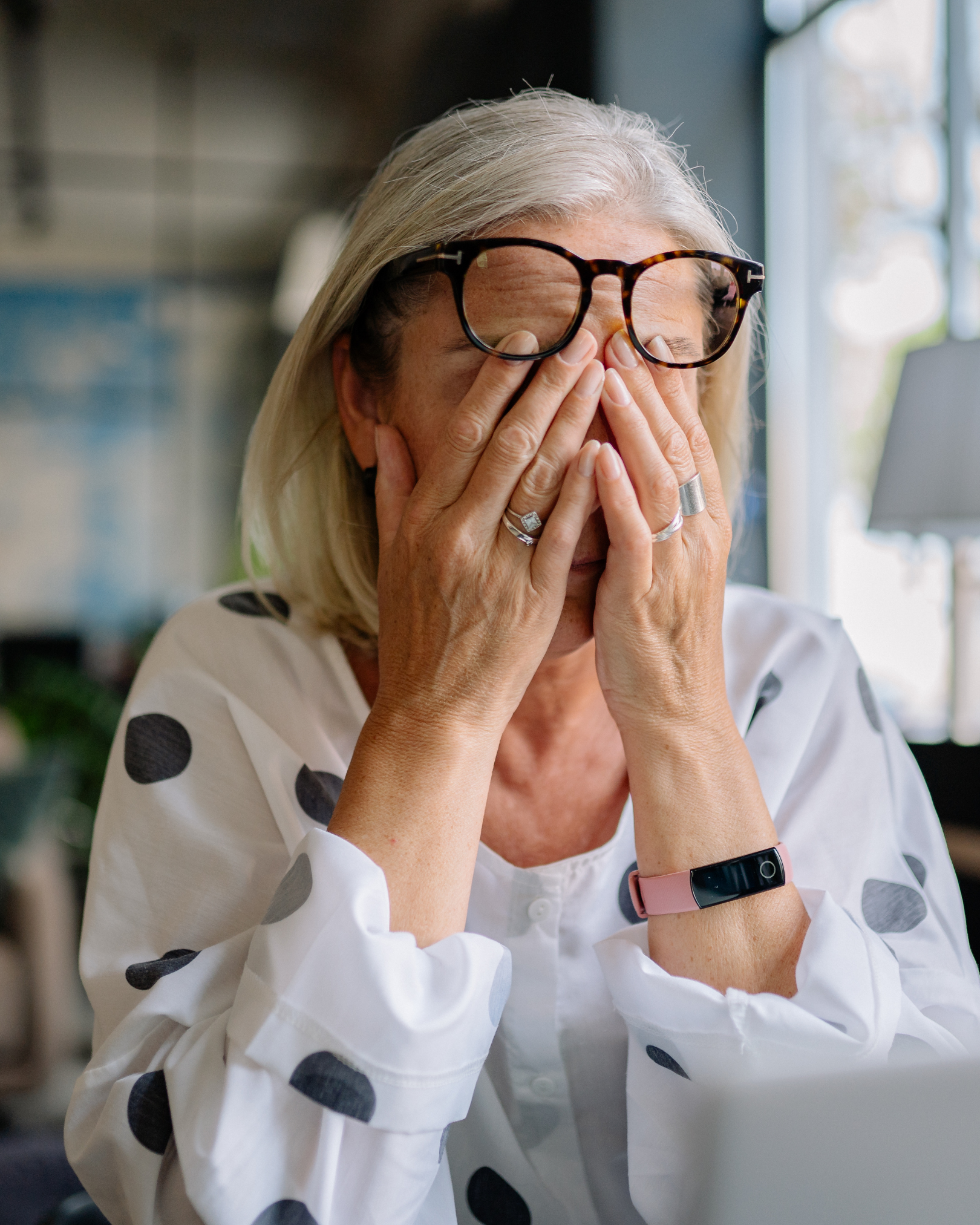
An NHS GP and Aesthetic Doctor Explains Why Your Skin Suddenly Feels Different In Your 40s
One of the most common things women tell me in clinic is:
"I don't recognise my skin anymore."
Their skincare has not changed. Their lifestyle has not changed. Yet suddenly their skin feels dry, sensitive and unpredictable.
Products they have used for years no longer seem to work. Makeup sits differently. Fine lines appear more noticeable. Their face looks tired despite sleeping well.
Many women describe feeling as though they have aged rapidly over a relatively short period of time.
As both an NHS GP and aesthetic doctor with nearly 20 years of medical experience, I hear this story almost every week from women attending my clinic in Hale from Altrincham, Bowdon, Wilmslow, Knutsford, Sale, Stockport and across Cheshire.
The reason is often perimenopause.
If this sounds familiar, you are not imagining it.
Perimenopause can have a profound effect on the skin, and many women are surprised by just how quickly these changes can occur.
The good news is that understanding what is happening allows us to take positive steps to support skin health and confidence during this stage of life.
What Is Perimenopause?
Perimenopause is the transition leading up to menopause.
It can begin several years before your final period and is characterised by fluctuating hormone levels, particularly oestrogen and progesterone.
Many women enter perimenopause during their forties, although some notice symptoms earlier.
Because hormones influence almost every aspect of skin health, these fluctuations can affect how your skin looks, feels and behaves.

My Opinion: Most Women Think They Need Better Skincare When They Actually Need Better Information
One of the biggest mistakes I see is women blaming themselves for changes that are largely driven by hormones.
They buy more products.
They spend more money.
They add more active ingredients.
They try the latest trends on social media.
Yet their skin continues to feel worse.
The reality is that perimenopausal skin is biologically different skin.
The skin barrier becomes less resilient.
Collagen production slows.
Hydration decreases.
Inflammation becomes more common.
This is why a skincare routine that worked perfectly at 35 may suddenly stop working at 45.
Understanding what is happening often helps women feel more reassured and more empowered to make sensible decisions about their skin.
Why Does Skin Become Drier?
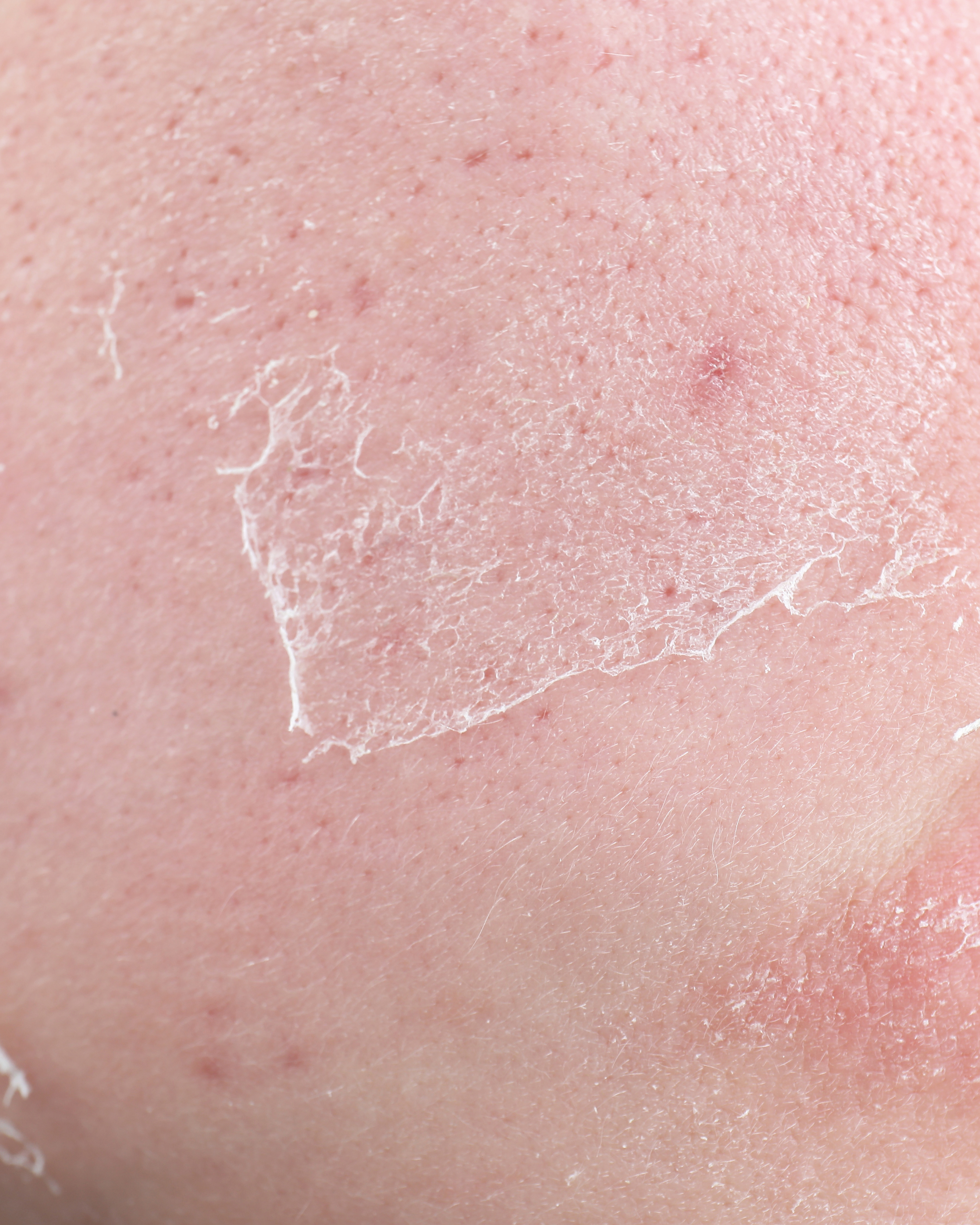
One of the most common changes I see in clinic is dryness.
Oestrogen plays an important role in helping the skin retain moisture.
As hormone levels fluctuate and begin to decline, the skin produces less natural oil and becomes less efficient at retaining hydration.
Many women notice:
• Tightness after cleansing
• Increased dryness
• Flakiness
• Rough texture
• Dullness
Skin that once felt balanced can suddenly feel dehydrated and uncomfortable.
Why Has My Skin Suddenly Become Sensitive?
Another common complaint is sensitivity.
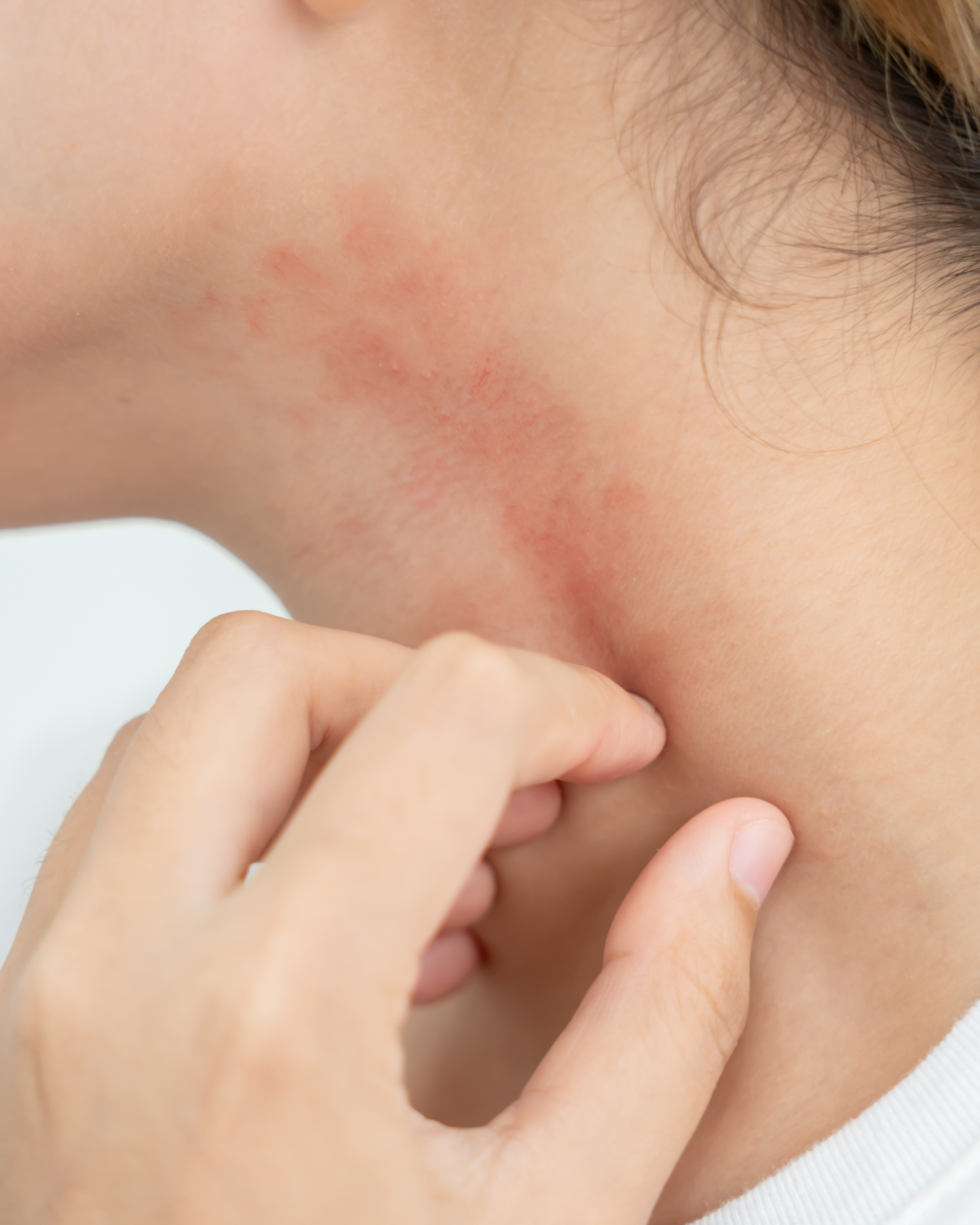
Patients often tell me that products they have used for years suddenly begin to sting or cause irritation.
This happens because the skin barrier becomes less resilient.
The skin barrier acts as your body's natural protective shield.
As it becomes less effective, the skin becomes more vulnerable to irritation, inflammation and environmental stress.
This can lead to:
• Burning
• Stinging
• Redness
• Increased reactivity
• Difficulty tolerating active ingredients
Many women assume they have developed an allergy when hormonal changes may actually be playing a significant role.
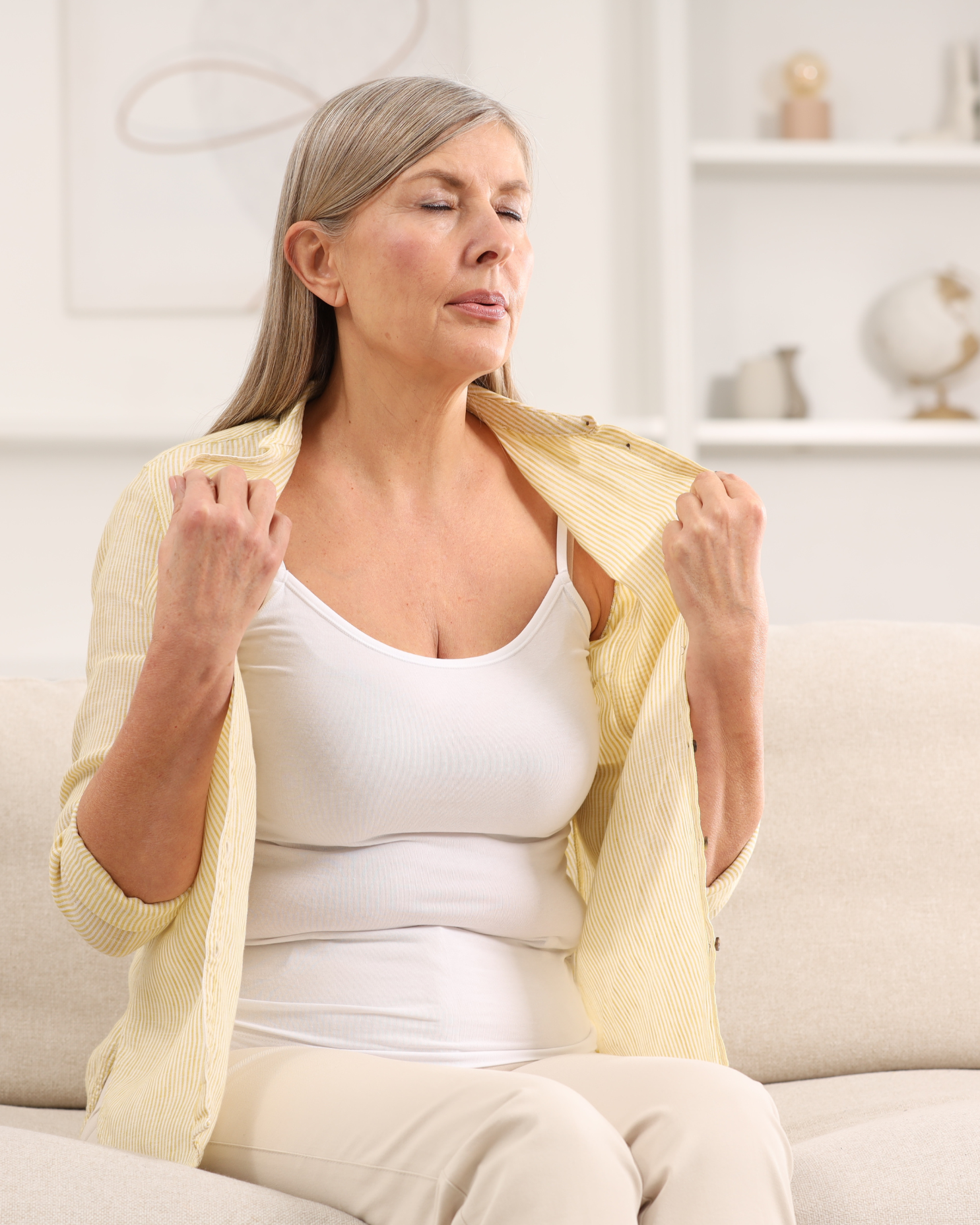
Why Am I Getting Acne In My 40s?
This is often one of the most frustrating perimenopausal symptoms.
As oestrogen declines, androgen hormones can have a relatively greater influence on the skin.
This may contribute to:
• Hormonal breakouts
• Jawline acne
• Chin acne
• Oily skin
• Persistent spots
Many women find themselves dealing with wrinkles and acne simultaneously, which can feel particularly unfair.

Why Has My Skin Lost Its Glow?
Perimenopausal skin often appears less radiant.
This is partly due to reduced hydration but also reflects changes within the deeper layers of the skin.
As collagen production slows, the skin becomes less plump and less reflective.
The result can be skin that appears:
• Tired
• Dull
• Less luminous
• Less healthy looking
Many women describe this as losing their natural glow.
Why Does My Face Suddenly Look Older Overnight?
This is one of the most common concerns I hear from women in their forties.
Whilst ageing is always happening gradually, hormonal changes can accelerate some of the visible signs of ageing.
When collagen declines, hydration decreases and skin quality changes simultaneously, the face can appear noticeably different over a relatively short period.
Many women describe looking in the mirror and feeling as though they have suddenly aged.
In reality, these changes have usually been developing quietly beneath the surface for some time.
The Role Of Collagen
Collagen is the structural protein responsible for much of the skin's firmness and support.
From our mid twenties onwards, collagen production naturally declines.
During perimenopause, this process accelerates.
This contributes to:
• Fine lines
• Wrinkles
• Skin laxity
• Reduced firmness
• Loss of facial support
For many women, collagen loss is the single biggest driver of visible ageing.
Why Does My Face Suddenly Look Different?
One of the most common comments I hear is:
"I don't necessarily look older, I just look different."
This observation is often remarkably accurate.
Changes in collagen, hydration, skin thickness and facial support can subtly alter facial appearance.
Women may notice:
• Less definition around the jawline
• Flattening of the cheeks
• Increased jowling
• More prominent folds around the mouth
• Tired looking eyes
These changes often occur gradually, making them difficult to pinpoint initially.
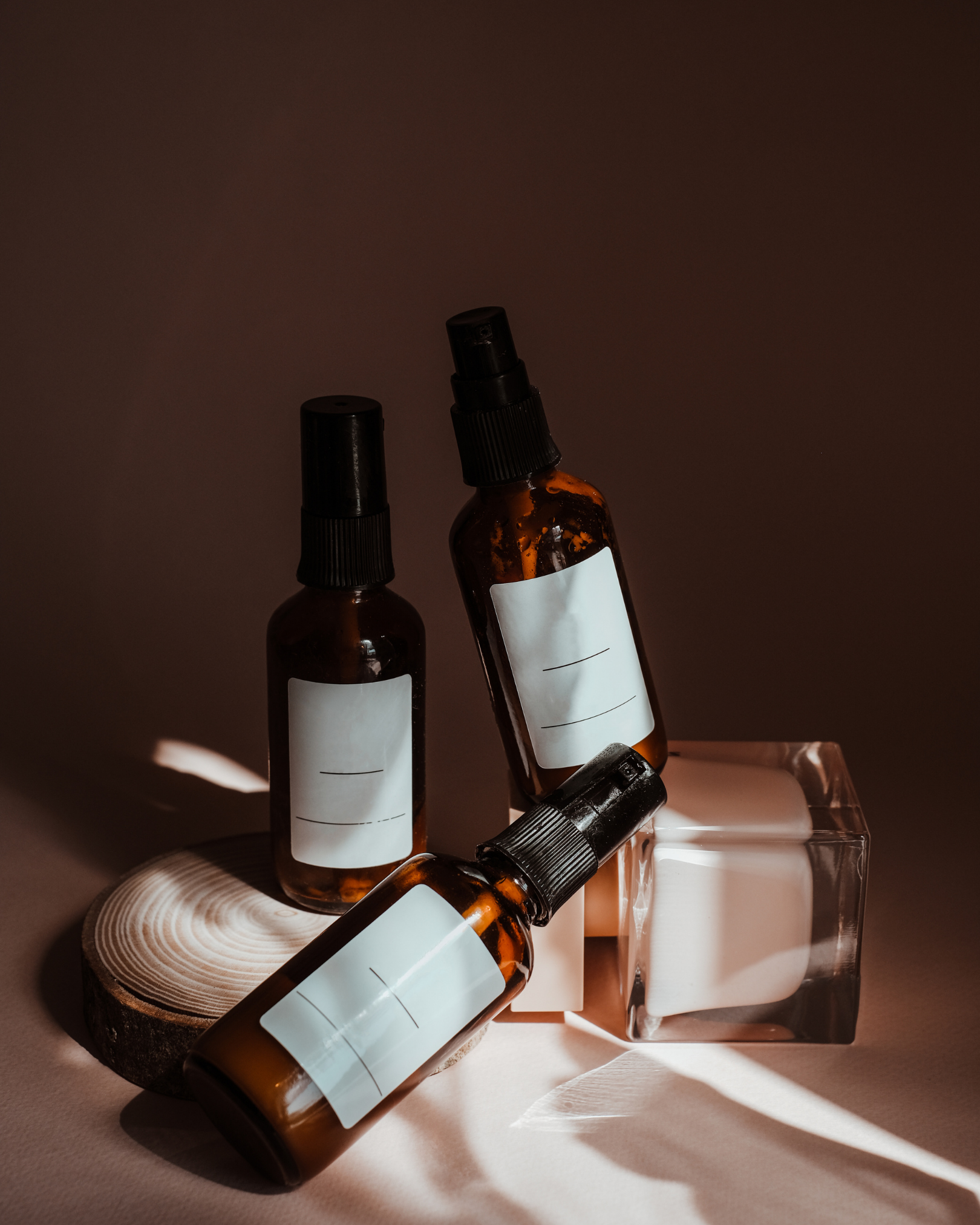
Why Does Makeup Sit Differently During Perimenopause?
Many women tell me that their makeup suddenly stops performing the way it used to.
Foundation may settle into fine lines.
Skin can appear drier and less smooth.
Products may separate more easily.
This is often a reflection of reduced hydration, altered skin texture and collagen loss rather than the makeup itself.
It is another common sign that the skin is changing beneath the surface.
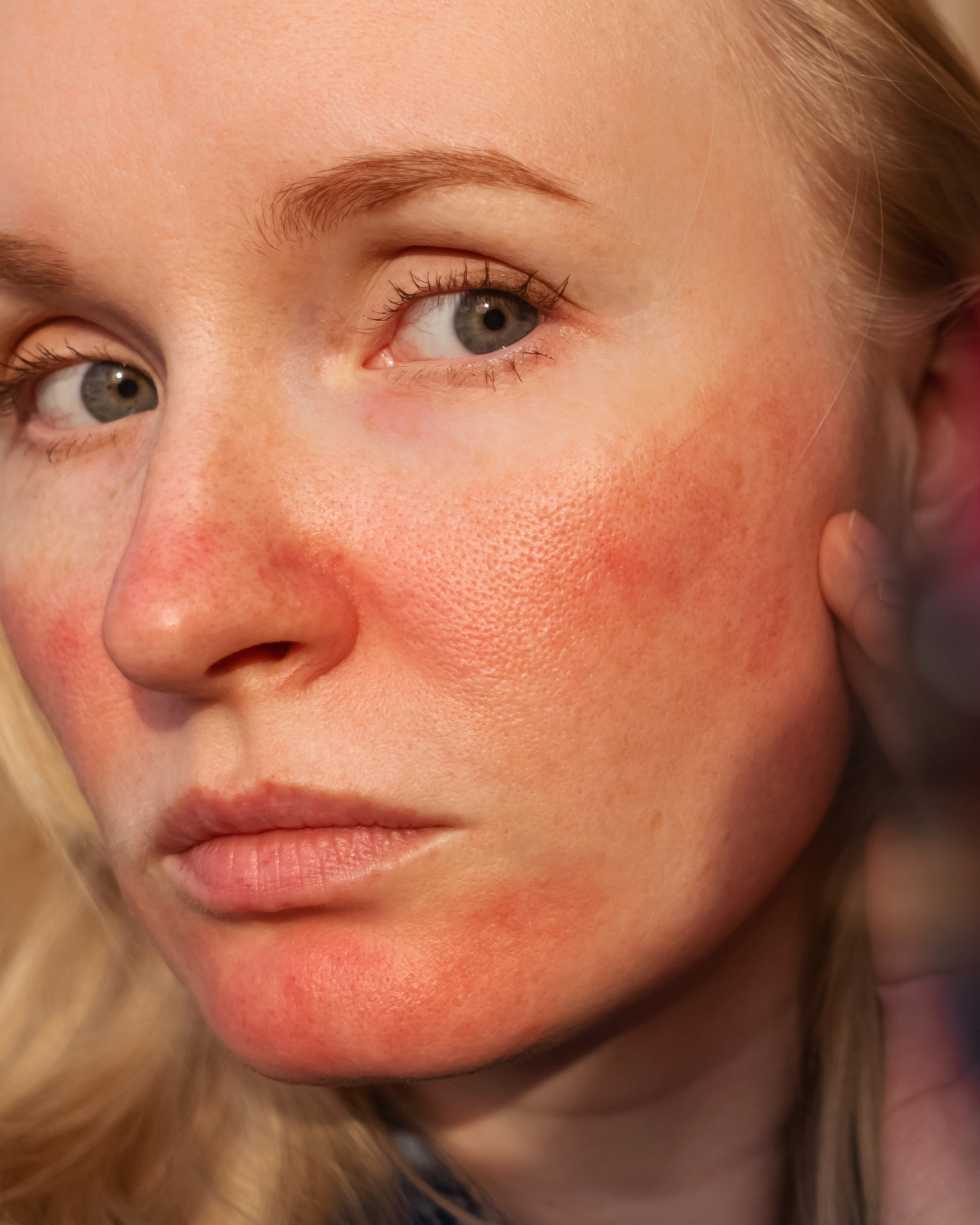
Perimenopause And Rosacea
Many women notice redness and flushing for the first time during perimenopause.
Others find existing rosacea becomes significantly worse.
Hormonal fluctuations can affect blood vessel function and skin inflammation, leading to:
• Facial redness
• Flushing
• Increased sensitivity
• Rosacea flare ups
This is one reason why so many women seek help for redness during their forties and fifties.
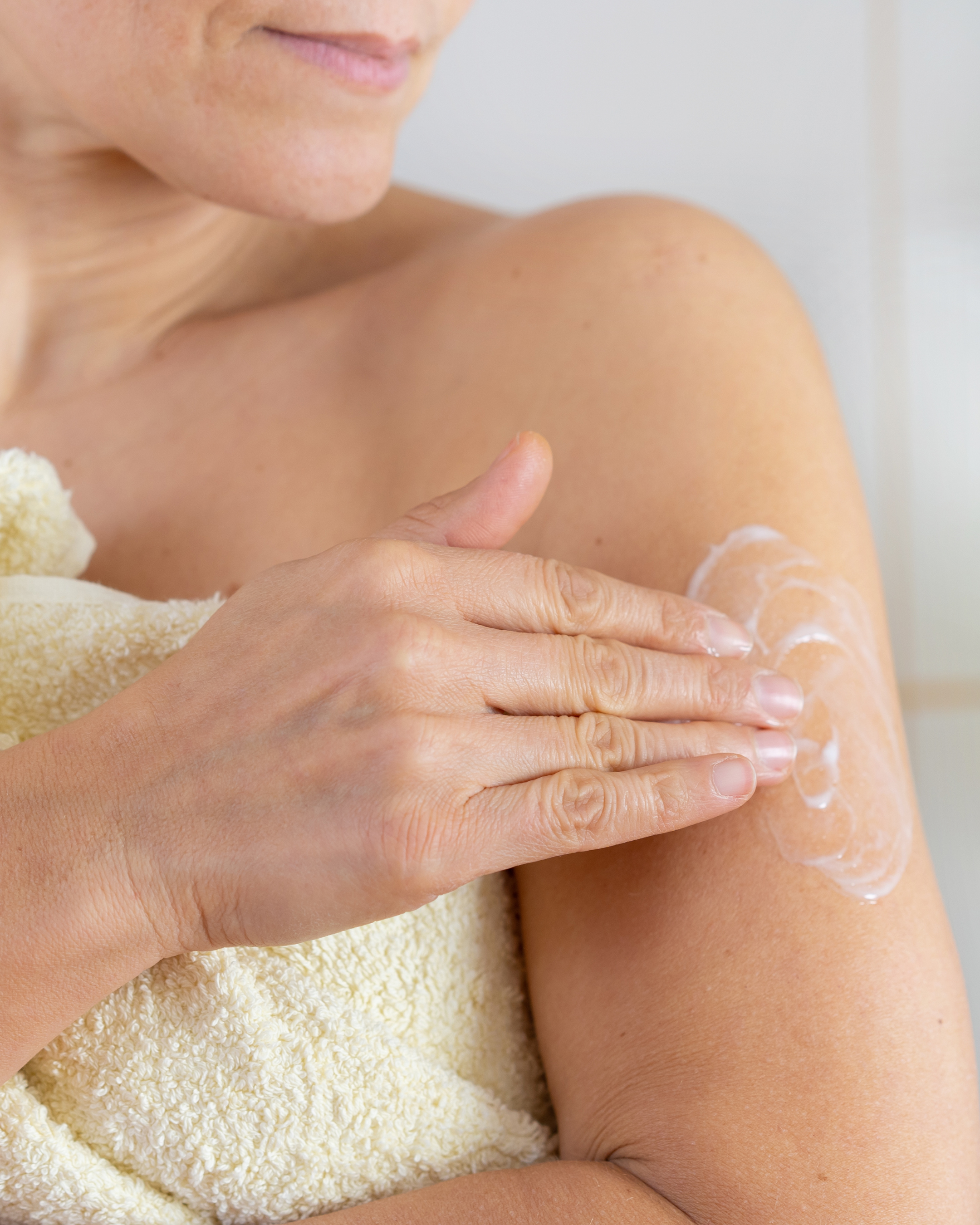
Can HRT Help Skin Changes?
Many women ask whether hormone replacement therapy can improve skin quality.
Some evidence suggests HRT may help support:
• Hydration
• Skin thickness
• Elasticity
• Collagen production
Many women report improvements in skin comfort and quality after starting HRT.
However, HRT should never be prescribed solely for cosmetic reasons and treatment decisions should always be made after discussion with an appropriately qualified healthcare professional.
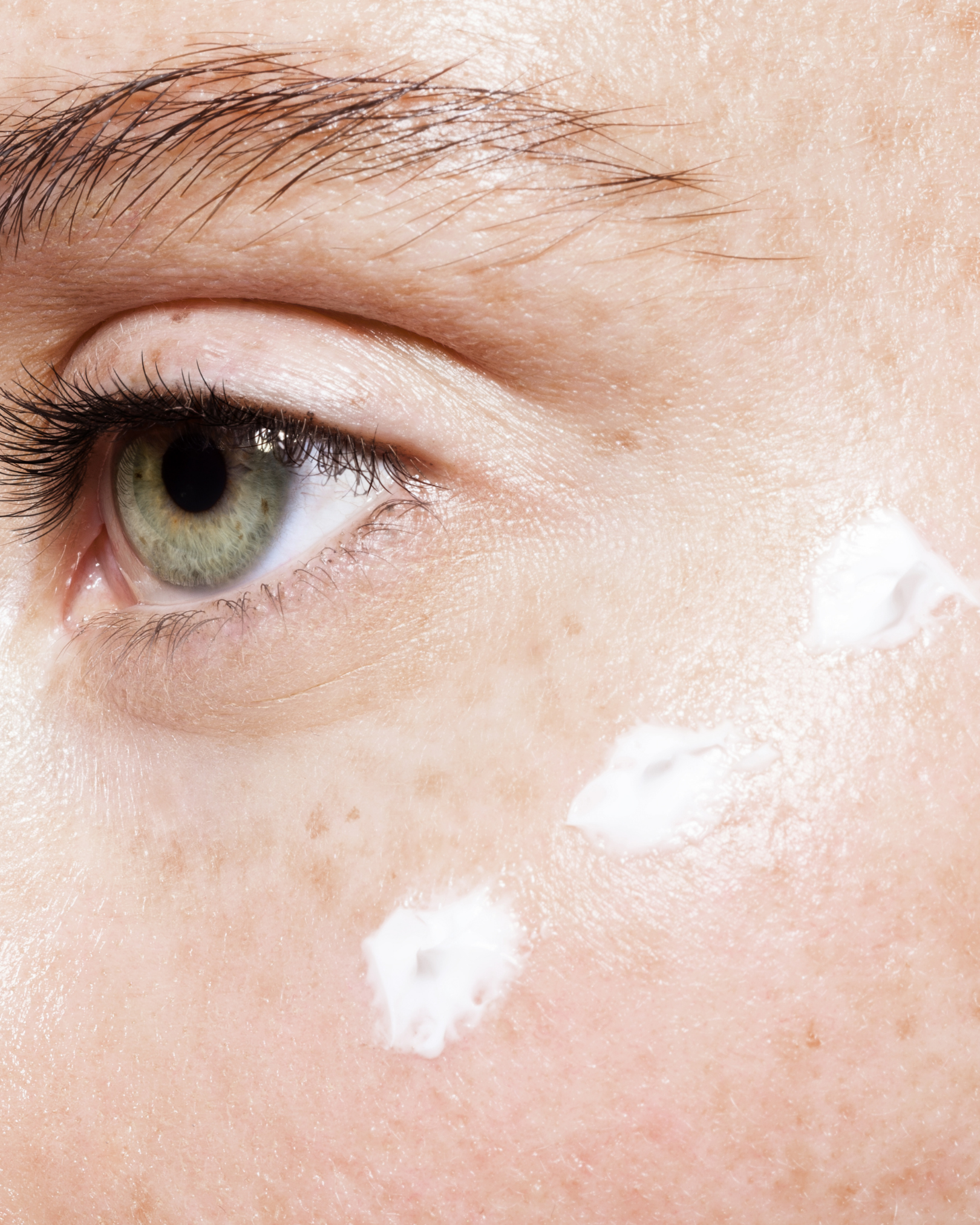
What Can You Do To Support Perimenopausal Skin?
The good news is that there are many ways to support skin health during this stage of life.
Focus On Skin Barrier Health
Rather than using multiple active ingredients, many women benefit from simplifying their skincare routine and focusing on hydration and barrier support.
Wear SPF Every Day
Daily SPF 50 remains one of the most effective anti ageing interventions available.
Protecting collagen is just as important as stimulating it.

Consider Prescription Tretinoin
If I could recommend one evidence based skincare ingredient for healthy ageing, it would be tretinoin.
Tretinoin helps support collagen production, improve skin texture and maintain healthier skin over time.
As both a GP and aesthetic doctor, I genuinely believe tretinoin remains one of the best investments many women can make in their skin.
Support Collagen Production
Many women are now moving away from simply replacing volume and towards treatments that support the skin's natural regenerative processes.
Depending on the patient, options may include:
• Microneedling with exosomes
• Polynucleotides
• Sculptra
These treatments focus on improving skin quality and collagen production rather than simply masking ageing.
Prioritise Lifestyle Factors
Sleep, exercise, nutrition and stress management all influence how the skin ages.
Whilst not as exciting as a new treatment, they remain incredibly important.
Case Study
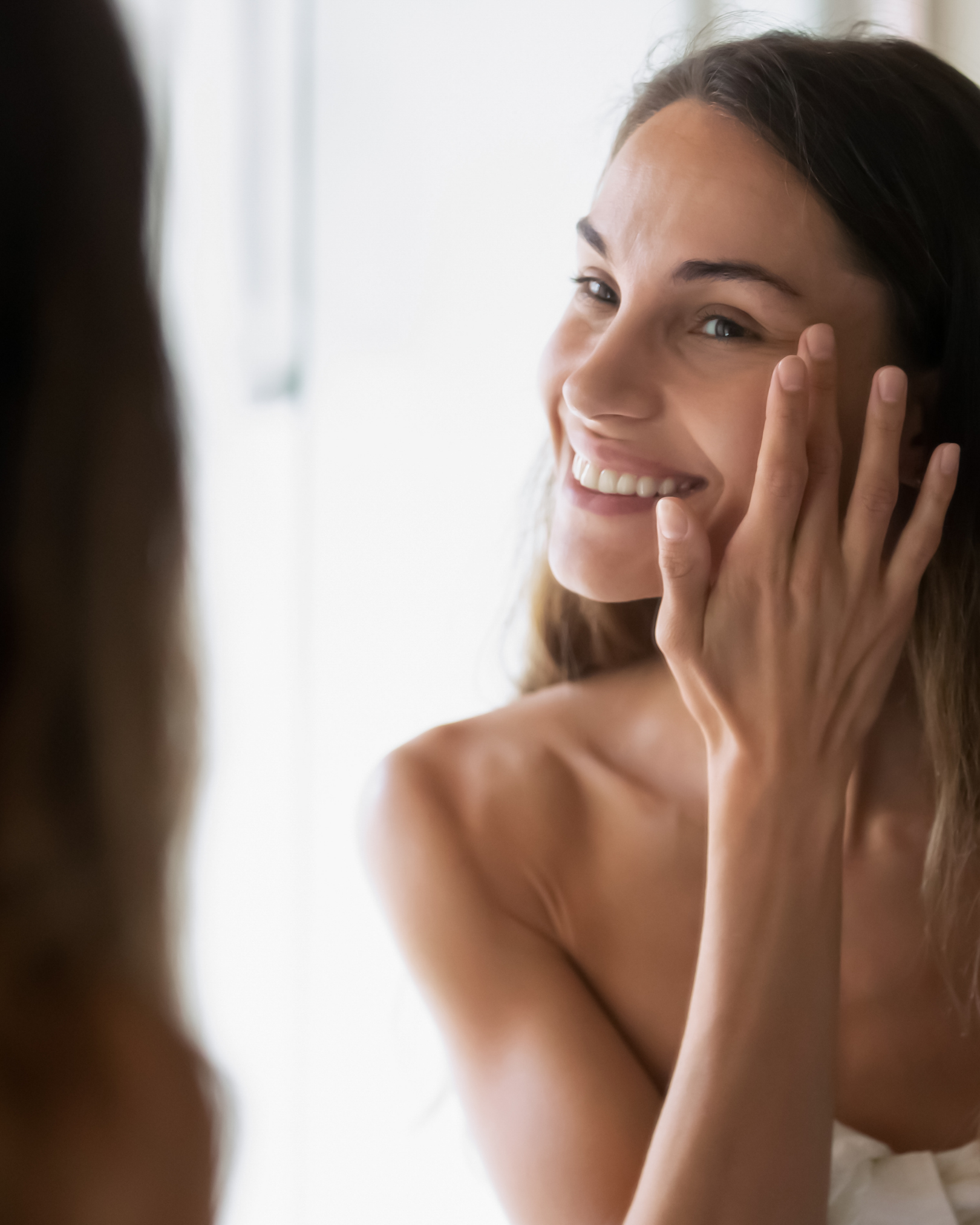
Claire, Age 46, Wilmslow
Claire attended my Hale clinic feeling frustrated that she no longer recognised her skin.
For most of her adult life she had enjoyed relatively uncomplicated skin.
However, over the previous 18 months she had noticed increasing dryness, sensitivity and loss of radiance.
Products she had used for years suddenly seemed irritating.
Her makeup no longer sat smoothly.
She felt she looked permanently tired.
Following assessment, the changes were felt to be largely related to perimenopause alongside a degree of skin barrier disruption.
Rather than adding more products, we simplified her skincare routine, focused on hydration and barrier repair, introduced evidence based skincare and discussed longer term collagen support.
Several months later her skin was calmer, healthier and noticeably more comfortable.
Most importantly, she understood that these changes were not a personal failure or poor skincare.
They were a normal consequence of hormonal change.
This is something I see repeatedly in clinic.

Frequently Asked Questions
At what age does perimenopause affect the skin?
Many women notice changes during their forties, although symptoms can begin earlier.
Why has my skin suddenly become dry?
Declining oestrogen levels can reduce hydration and impair skin barrier function.
Can perimenopause cause acne?
Yes. Hormonal fluctuations can contribute to acne, particularly around the jawline and chin.
Why does my skin suddenly sting when I apply products?
Changes in skin barrier function can make skin more sensitive and reactive.
Does perimenopause make you look older?
Many women feel they age more rapidly during perimenopause because collagen loss, dryness and reduced elasticity become more noticeable.
Why does my makeup look worse during perimenopause?
Reduced hydration, changes in skin texture and collagen loss can affect how makeup sits on the skin.
Can HRT improve skin quality?
Some women notice improvements in hydration, elasticity and overall skin comfort after starting HRT.
Is tretinoin good for perimenopausal skin?
Yes. Tretinoin remains one of the most evidence based ingredients available for improving skin quality and supporting collagen production.
Can perimenopause worsen rosacea?
Absolutely. Many women notice increased redness, flushing and rosacea symptoms during this time.
Does Sculptra help perimenopausal skin?
Sculptra stimulates collagen production and can be an excellent option for women concerned about collagen loss and facial ageing.
Do polynucleotides help menopausal skin?
Polynucleotides may help improve hydration, tissue repair and overall skin quality.
Where can I get advice about perimenopausal skin in Hale or Altrincham?
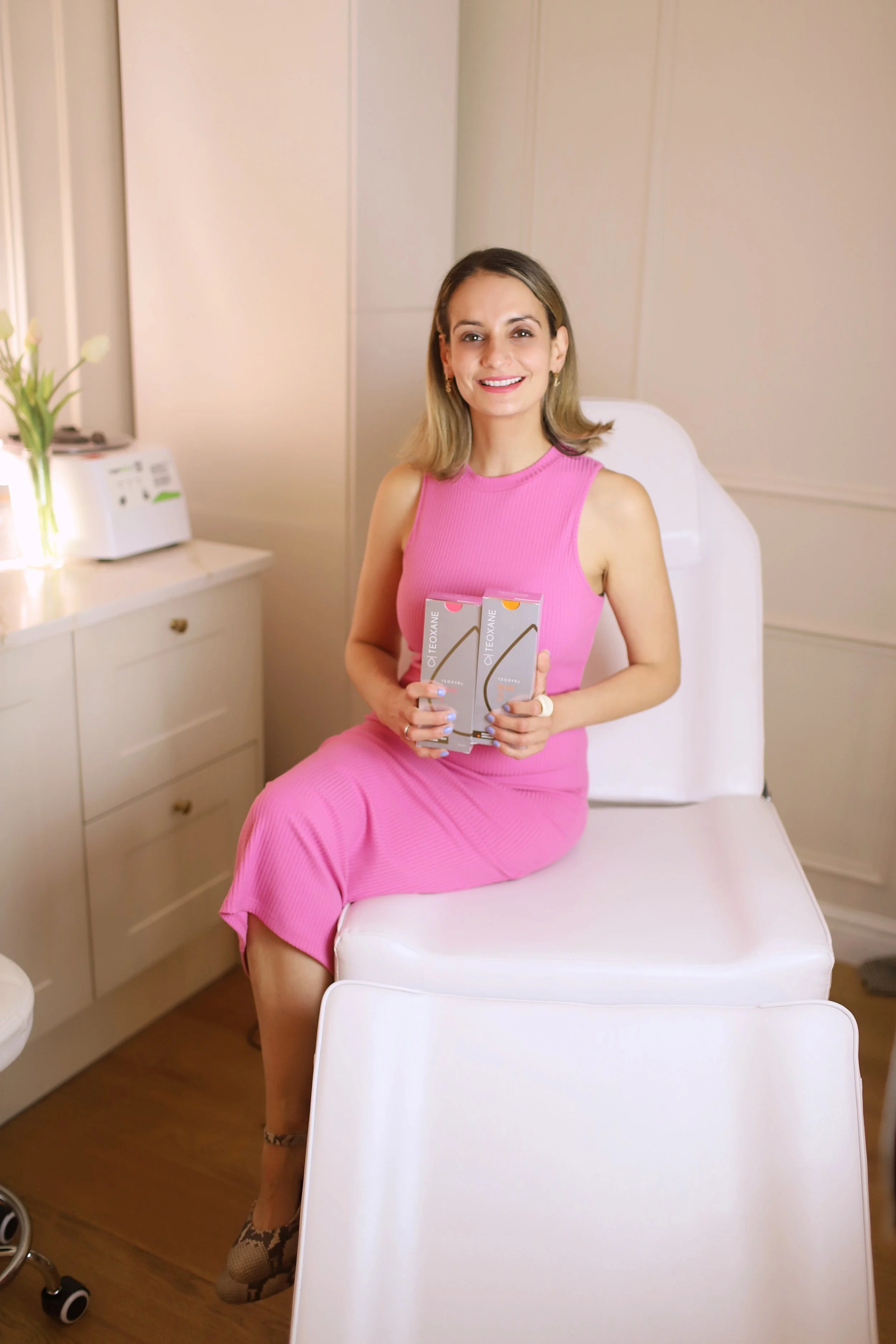
Dr Caroline Warden offers personalised skin consultations at her clinic in Hale, Cheshire. Patients regularly visit from Altrincham, Bowdon, Wilmslow, Knutsford, Sale and across Cheshire.
Book a Consultation
If your skin has changed during perimenopause and you are unsure why, you are not alone.
At Dr Caroline Warden Skin & Aesthetic Clinic in Hale, Cheshire, I help women understand the underlying causes of skin changes and create personalised treatment plans focused on long term skin health and natural looking results.
As both a GP and aesthetic doctor, I combine medical understanding with evidence based aesthetic treatments to help patients feel confident in their skin at every stage of life.
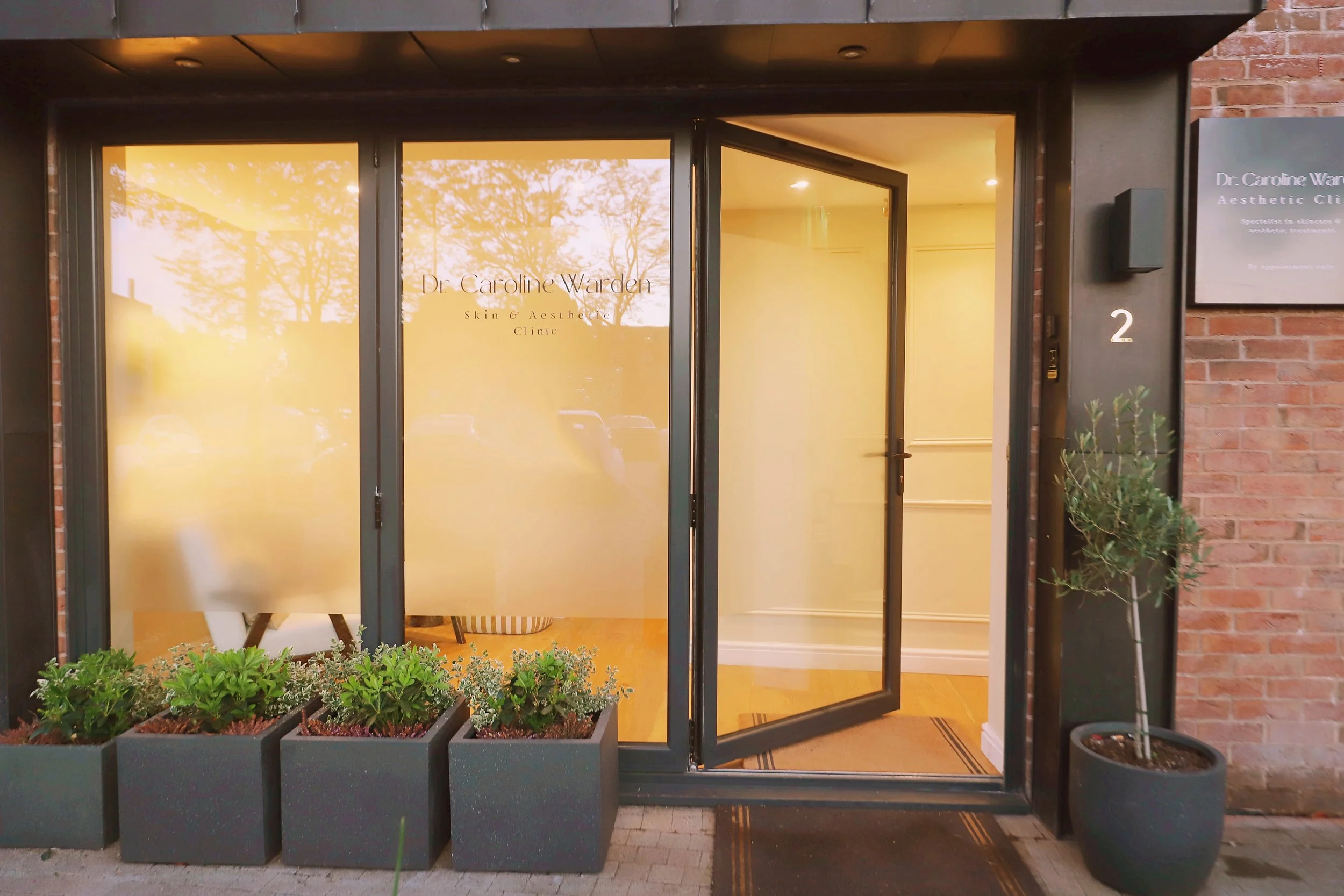
Alongside my sister Louise Devereux, we have created a female led, family run clinic specialising in menopause related skin concerns, regenerative aesthetics and healthy ageing.
Patients regularly travel from Hale, Altrincham, Bowdon, Wilmslow, Knutsford, Sale, Alderley Edge, Stockport and across Cheshire for personalised skin consultations.
Book a consultation today and start your personalised skin journey.
Scientific References
Menopause and Skin Ageing
International Menopause Society
https://www.imsociety.org
NHS Menopause Overview
https://www.nhs.uk/conditions/menopause/
Menopause and Skin Ageing Review (Farage et al.)
https://pubmed.ncbi.nlm.nih.gov/17518307/
The Effect of Menopause on Skin Ageing and Collagen Loss
https://pubmed.ncbi.nlm.nih.gov/12013211/
North American Menopause Society
https://menopause.org
American Academy of Dermatology: Menopause and Your Skin
https://www.aad.org/public/everyday-care/skin-care-secrets/anti-aging/menopause-skin-care
Tretinoin References
American Academy of Dermatology: Retinoids and Skin Ageing
https://www.aad.org/public/cosmetic/younger-looking/retinoids
Topical Tretinoin for Photoaged Skin
https://pubmed.ncbi.nlm.nih.gov/18046911/
Collagen and Menopause
Collagen Changes During Menopause
https://pubmed.ncbi.nlm.nih.gov/11152958/
Skin Ageing and Menopause Review
https://pubmed.ncbi.nlm.nih.gov/18836600/

References and Further Reading
NHS Menopause Information
https://www.nhs.uk/conditions/menopause/International Menopause Society
https://www.imsociety.orgNorth American Menopause Society
https://menopause.orgMenopause and Skin Ageing Review
https://pubmed.ncbi.nlm.nih.gov/17518307/The Effect of Menopause on Skin Ageing and Collagen Loss
https://pubmed.ncbi.nlm.nih.gov/12013211/American Academy of Dermatology: Menopause and Skin Care
https://www.aad.org/public/everyday-care/skin-care-secrets/anti-aging/menopause-skin-careTopical Tretinoin for Photoaged Skin
https://pubmed.ncbi.nlm.nih.gov/18046911/
