What Happens During an Aesthetic Consultation?
A Doctor’s Guide for Altrincham Patients
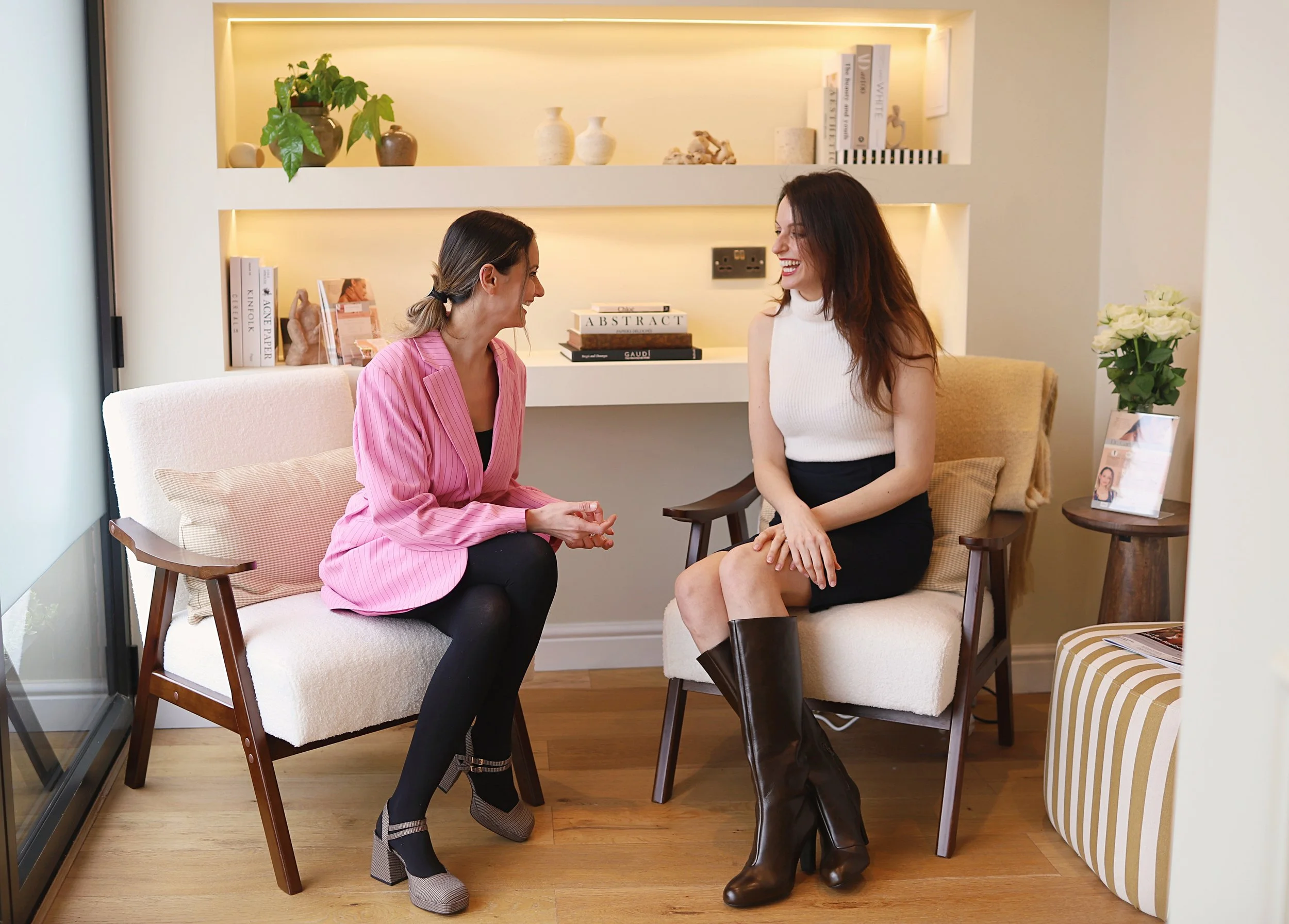
If you’re considering aesthetic treatment but feel unsure where to start, you’re not alone. One of the most common things patients tell me is that they don’t want to be sold to, they want honest, medical advice about what will genuinely help their face and skin.
That’s exactly what a proper aesthetic consultation is for.
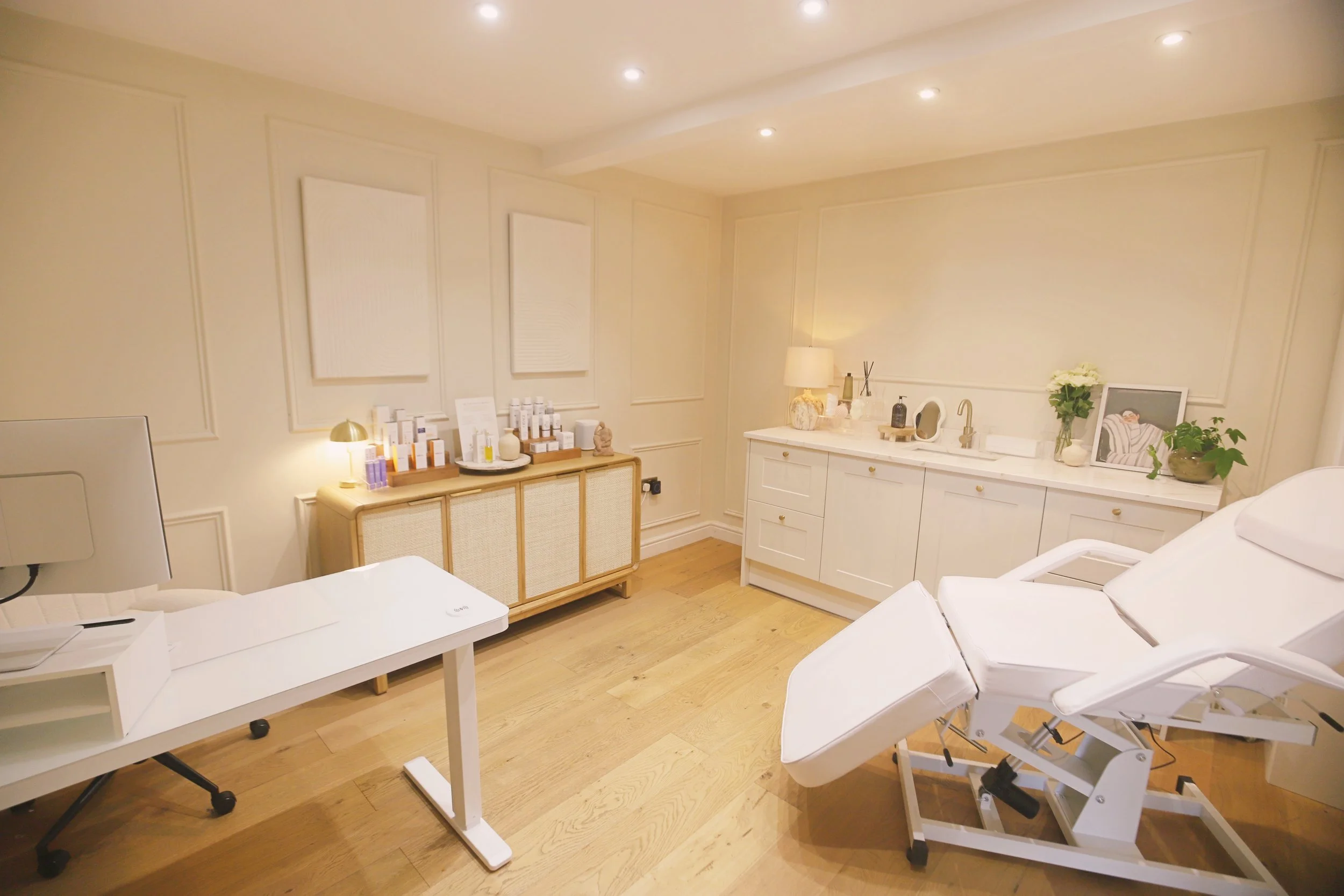
As a doctor-led clinic based in Altrincham, my consultations are designed to be calm, thorough, and entirely pressure-free. Whether you’re new to aesthetics or simply looking for a safer, more bespoke approach, here’s exactly what happens during an aesthetic consultation — and why it matters far more than most people realise.
Why an Aesthetic Consultation Matters More Than the Treatment Itself
In medical aesthetics, the outcome is decided long before the needle ever touches your skin.
A good consultation isn’t about picking a treatment from a menu. It’s about:
Understanding your face anatomically
Assessing skin health, ageing patterns, and asymmetry
Exploring your concerns, expectations, and lifestyle
Deciding whether treatment is appropriate at all
This is especially important in a world where “quick fixes” and social media trends can encourage overtreatment or unsuitable procedures. As a medical doctor, my priority is always safety, subtlety, and long-term skin health, not short-term results.
Step 1: Understanding You (Not Just Your Wrinkles)
Your consultation begins with a conversation — not a clipboard and a price list.
We’ll talk about:
What’s prompted you to consider aesthetic treatment
Whether this is your first experience or you’ve had treatment before
What you like (and dislike) about previous results, if applicable
Any anxieties, fears, or hesitations you have
Many patients come in saying, “I don’t want to look done” or “I still want to look like me.” These are not vague concerns — they’re essential clues that guide the entire treatment plan.
Step 2: Medical History and Safety Assessment
Because aesthetics is a medical field, a proper consultation must include a full medical assessment.
This includes:
Past medical conditions
Current medications and supplements
Autoimmune conditions or skin disorders
Pregnancy or breastfeeding status
Previous reactions to treatments
This step is often rushed — or skipped entirely — in non-medical settings. However, it’s crucial. Certain treatments may be inappropriate or require modification based on your medical background, and identifying this upfront protects both your health and your results.
Step 3: Facial Assessment: What a Doctor Looks For
This is where a doctor-led consultation differs significantly from a beauty-led one.
Rather than focusing on individual lines or areas, I assess:
Facial structure and bone support
Muscle activity and movement patterns
Skin quality, thickness, and elasticity
Volume distribution and natural asymmetry
How your face has changed over time — not just what you see today
Ageing is a three-dimensional process, and treating one isolated area without understanding the bigger picture can lead to unnatural or imbalanced results.
Step 4: Skin Health and Barrier Function
Healthy skin is the foundation of all good aesthetic outcomes.
During your consultation, we’ll discuss:
Sensitivity, redness, or rosacea
Acne, pigmentation, or scarring
Dehydration versus true dryness
Your current skincare routine (and what may be undermining results)
In many cases, improving skin health before injectable treatments leads to better, longer-lasting outcomes. For some patients, the right skincare or skin treatment plan is the most appropriate first step.
Step 5: Discussing Treatment Options (If Appropriate)
Only once we’ve completed a full assessment do we discuss treatment options — and importantly, this is a discussion, not a recommendation list.
We’ll cover:
What treatments could help your specific concerns
What would not be suitable or necessary
Expected outcomes versus limitations
Longevity, maintenance, and downtime
Risks, side effects, and aftercare
You’ll never be pressured into treatment on the day. Many patients choose to take time to reflect and that’s always encouraged.
Step 6: Creating a Long-Term, Bespoke Plan
Rather than one-off fixes, my approach focuses on long-term facial ageing and skin integrity.
Your plan may include:
Phased treatments over several months
A combination of injectables and skin therapies
Preventative approaches rather than reactive ones
Maintenance timelines that fit your lifestyle
This is particularly important for patients seeking natural, undetectable results.
Step 7: Informed Consent and Ethical Practice
If you decide to proceed with treatment, informed consent is essential.
This means:
You fully understand the procedure
Risks and alternatives have been discussed
You feel comfortable, informed, and unpressured
If something isn’t right, medically or emotionally, treatment doesn’t go ahead. Ethical practice is non-negotiable in medical aesthetics.
What an Aesthetic Consultation Should Never Feel Like
A consultation should never feel:
Rushed
Sales-driven
Trend-led
Judgemental
Like you’re being “upsold”
If you leave feeling confused or pressured, that’s a red flag.
Why Patients Travel to Altrincham for Doctor-Led Aesthetic Consultations
Many of my patients travel from across Greater Manchester for consultations because they want:
A medical perspective, not a sales pitch
Subtle, bespoke outcomes
Honest advice, even if that means no treatment
A long-term relationship with their practitioner
In an unregulated industry, choosing a doctor-led clinic adds an extra layer of safety, accountability, and expertise.
Your Next Step
If you’re considering aesthetic treatment but want clarity, honesty, and expert guidance, a consultation is the most important first step.
Whether you choose to proceed with treatment or not, you’ll leave with:
A clearer understanding of your face and skin
Honest, medical advice
A plan that prioritises safety and natural results
If you’d like to book an aesthetic consultation in Altrincham or simply discuss whether treatment is right for you, you’re very welcome to get in touch.
